

Young people's frenzy and strong policy support: Why has the overseas trend of Chinese brands become a new global consumption hotspot?
Publish Time:2026-02-04 16:15:52Pageviews:131


abstract: What is "national trend"? It refers to products and cultural phenomena that integrate traditional Chinese cultural elements with modern design, technology and aesthetics. Nowadays, this trend is spreading to the world through the forms of film and television, trendy toys, etc.
The year 2025 marks a crucial turning point for Chinese trends to go global.
From "Nezha: The Demon Child in the Sea" reconstructing traditional culture with algorithmic aesthetics and achieving global box office success, to the long queues at Pop Mart's overseas stores, "national trend" is no longer merely a simple export of cultural symbols, but has gradually gained value recognition on an international scale.
Nowadays, domestic trends are emerging as a new force in foreign trade with an unstoppable momentum. In the first three quarters of 2025, China's exports of festival goods, dolls and animal-shaped toys exceeded 50 billion yuan, and were sold to over 200 countries and regions around the world.
So, what is "national trend"? It refers to products and cultural phenomena that integrate traditional Chinese cultural elements with modern design, technology and aesthetics. Nowadays, this trend is spreading to the world through the forms of film and television, trendy toys, etc.
In this article, Yiwu Index takes you through the overseas expansion of Chinese trends.
01
The Chinese trend is surging overseas
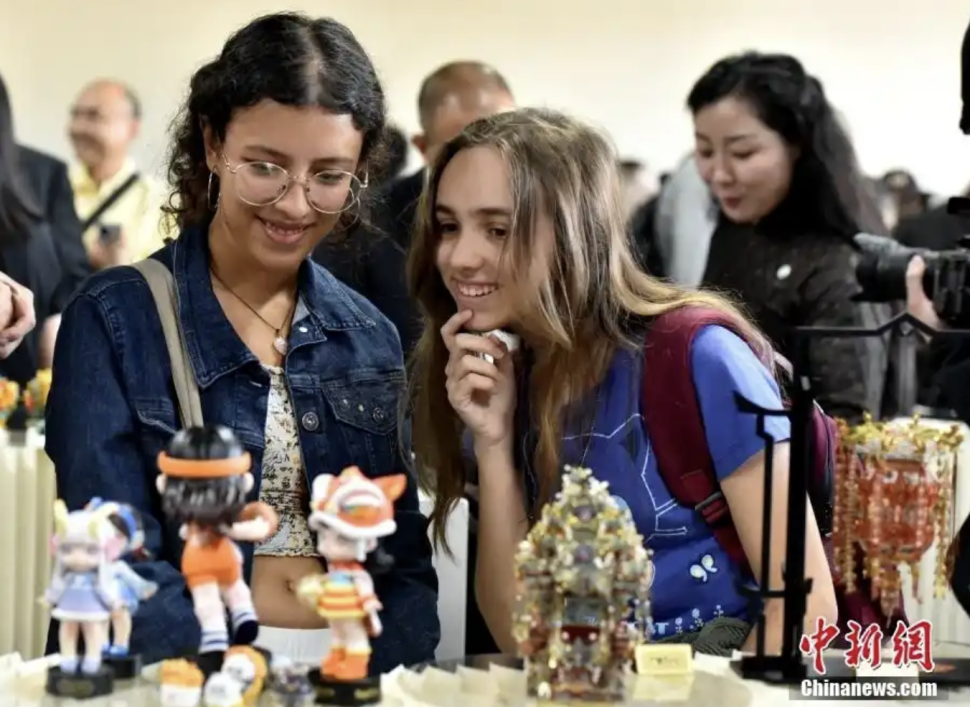
Nezha and Pop Mart are undoubtedly the two phenomenon-level blockbusters of Chinese trends going global in 2025.
The animated film "Nezha: The Devil Boy in the Sea" is rooted in traditional mythology and integrates animation technology to activate classic elements such as the Dunhuang murals and Yongding Tulou. With an overseas box office of 100 million US dollars, it has achieved the best result for Chinese films going global.
Pop Mart has infused Eastern aesthetics into its trendy toy designs. Its ips have received a warm response in overseas markets, achieving rapid revenue growth, with overseas revenue accounting for over 40%.
Their breaking through the circle precisely interprets the essence of "national trend" - it is not a simple display of traditional culture, but an innovative integration of traditional culture through modern technology and product forms recognized by the market, creating products that are both rich in cultural heritage and full of market vitality.
However, the overseas expansion of domestic trends is not achieved overnight. Instead, it has accompanied China's industrial upgrading, the enhancement of cultural confidence, and changes in the global market. Its development process can roughly be divided into three core stages:
Quality Foundation Building Period (2015-2017). This stage takes the upgrading of manufacturing as the forerunner and the export of high-quality products of real enterprises as the core. Enterprises like Huawei and Gree have enhanced the reputation of "Made in China" through technological breakthroughs, laying the initial foundation of trust for the domestic trend. Meanwhile, the cultural and creative products of the Palace Museum have explored the commercialization path of culture through brand collaborations and other means, initially showing the potential to become bestsellers and laying the groundwork for subsequent cultural empowerment and overseas expansion.
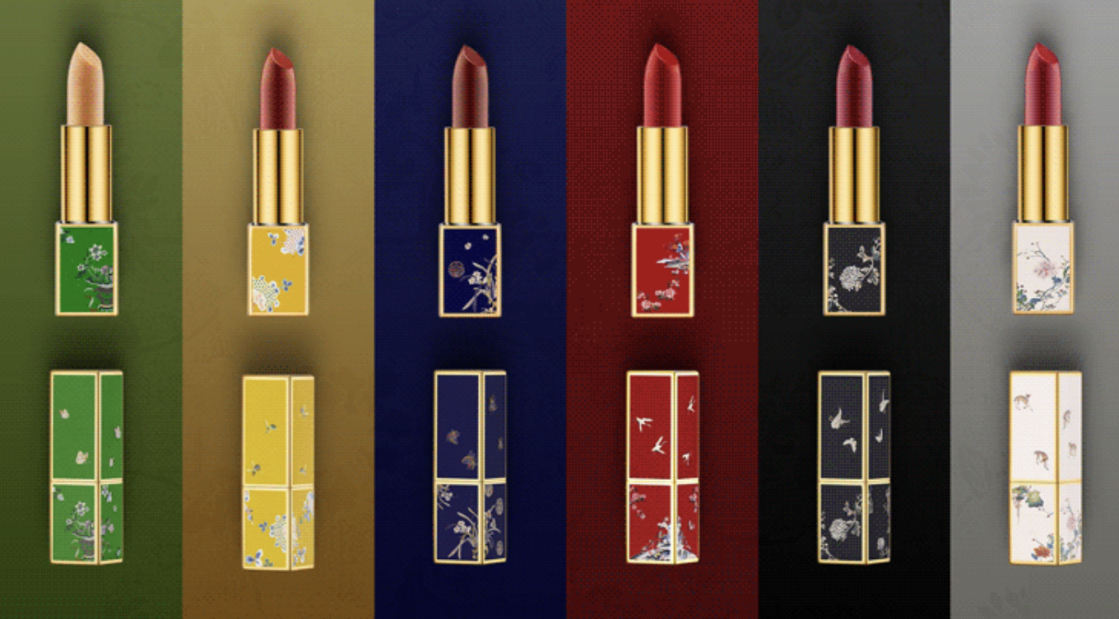
The image source of the cultural and creative lipstick of the Palace Museum: The Cultural and Creative Center of the Palace Museum
Cultural trial period (2018-2020). The year 2018 was hailed as the "first year of national trend". The overseas expansion of national trend has evolved from merely product export to brand export with Chinese cultural symbols. Li-ning brought "China Li-Ning" to New York Fashion Week, binding national style elements with trendy clothing and going global, igniting a consumption craze. Domestic new consumer brands such as Pop Mart and Hua Xi Zi have embarked on the path of overseas expansion by leveraging cultural empowerment for their products, emerging as a new force in the global expansion of domestic trend brands.
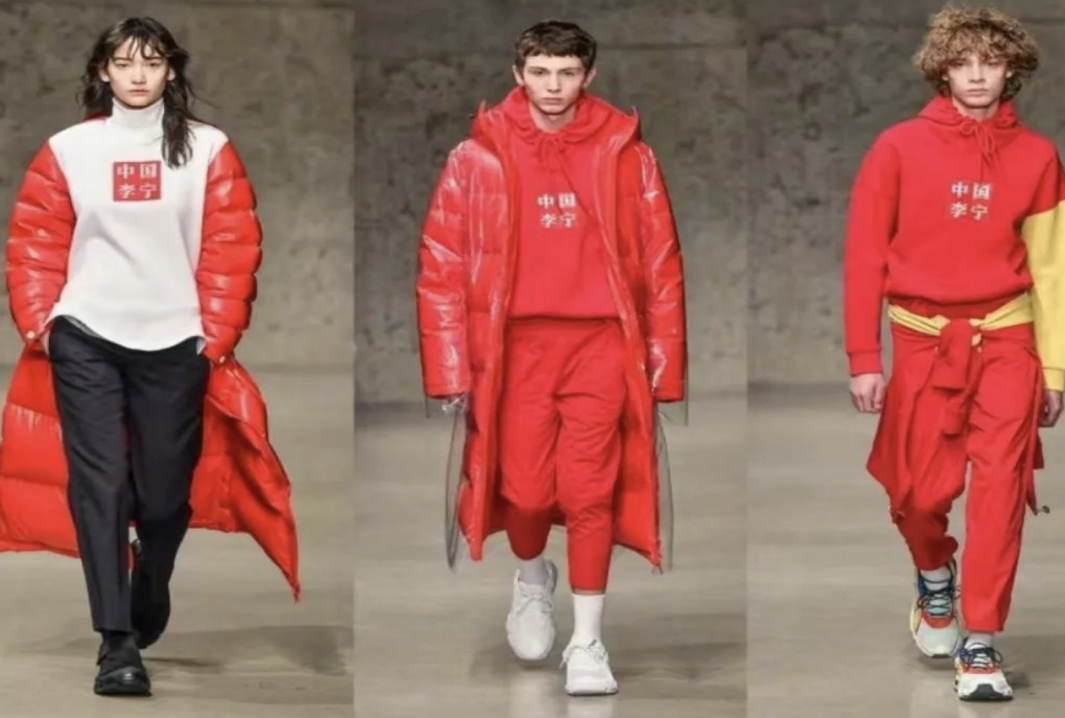
In February 2018, Li Ning made its appearance on the runway of the 2018 New York Fall/Winter Fashion Week. Image source: Internet
The period of explosive spread (from 2021 to the present). The overseas expansion of Chinese trends has entered a new stage of cultural dissemination, evolving from the output of brands and products to the in-depth global dissemination of the core of Chinese culture. Byd interprets Eastern design with its "Dragon Face Aesthetics", and its cultural and creative products from the Palace Museum have been selling well across borders. Cultural works such as "Black Myth: Wukong" and "Nezha 2" have become a global hit. The "national trend" has grown from a domestic bestseller to a truly global brand.
After more than a decade of development, the scope of Chinese trends going global has continued to expand. It not only includes physical goods such as new Chinese-style clothing, Chinese-style accessories, and cultural and creative collectibles, but also extends to the "new three types" of cultural exports represented by online literature, online dramas, and online games. Digital content and physical national trends together form the current complete and dynamic national trend ecosystem.
Data continuously validates the vitality of Chinese trends going global. In terms of physical domestic trends, in the first three quarters of 2025, China's exports of festival goods, dolls and animal-shaped toys exceeded 50 billion yuan, and were sold to over 200 countries and regions around the world. In terms of the "new three types" going global, taking online dramas as an example, the total number of Chinese online literature works going overseas exceeded 750,000 in 2024, with over 350 million overseas users, demonstrating the vigorous vitality of the domestic trend in both physical and digital tracks.
02
The Triple Synergy of Chinese Trends going global
The upsurge of domestic trends going global is no accident. It is the result of the resonance of multiple factors. It is not only an inevitable outcome of domestic cultural confidence and industrial upgrading, but also a natural response to the transformation of global cultural consumption demands and technological iterations.
Consumer recognition: The Global "Pursuit" of Chinese Culture
The underlying logic of domestic trend consumption is rooted in the increasingly enhanced cultural confidence and cultural identity of the Chinese people. This cultural confidence has continuously given rise to a domestic trend consumption craze and also driven brands to proactively explore traditional cultural treasures - the auspicious beasts of the Forbidden City, the bronze masks of Sanxingdui, the traditional mortise and tenon craftsmanship, and the auspicious meanings of "happiness, prosperity, longevity and good fortune". These once "antiques" have been restructured by modern design and have become trendy symbols pursued by young people.
Meanwhile, the international dissemination of Chinese culture has been on the rise. This can be seen from the recent hot topic "Becoming Chinese" on TikTok, which indicates that the recognition of Chinese culture overseas is also constantly increasing. The unique core of Chinese culture carried by domestic trend products precisely meets this cultural demand on a global scale.
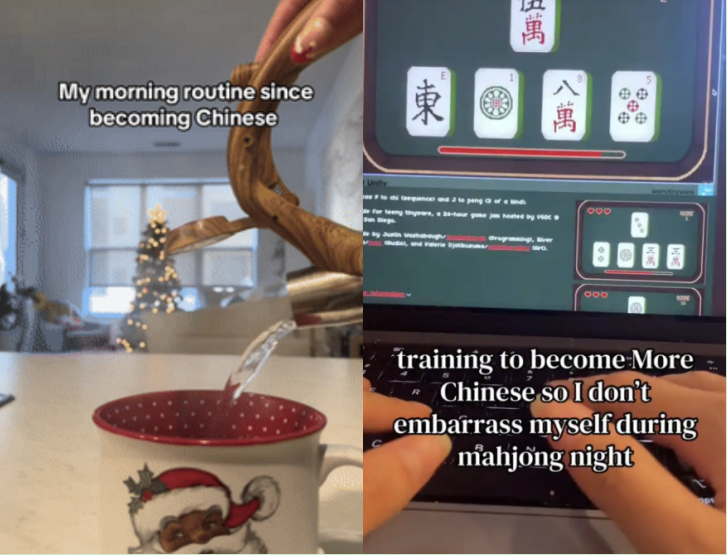
In the TikTok topic "Becoming Chinese", foreign netizens uploaded pictures of drinking hot water and learning to play mahjong
In addition, the extensive influence of Chinese people around the world has also laid a basic foundation for cultural resonance in the overseas expansion of domestic trends. Overseas Chinese have become the first batch of users and disseminators of domestic trends going global, driving products to gradually enter a broader international market and creating a cross-cultural consumption hotspot.
2. Corporate Strategy: Cultural Integration of industrial Innovation
Enterprises take cultural integration as the core handle for the overseas expansion of domestic trends, and lay a solid foundation for the competitiveness of domestic trends going global from two dimensions: industrial upgrading and global strategy. In terms of industry, elements of traditional Chinese culture deeply empower key links such as product design and IP operation. Whether it is mythological stories, traditional patterns or Eastern aesthetics, they all become sources of inspiration for product innovation. The mature manufacturing industry chain also provides solid industrial support for the implementation of culture, achieving a deep integration of cultural innovation and industrial manufacturing. Li Ning's "China Li Ning" series and Hua Xi Zi's Oriental beauty products have both firmly established themselves in the international market by combining distinct Oriental cultural expressions with strong product capabilities.
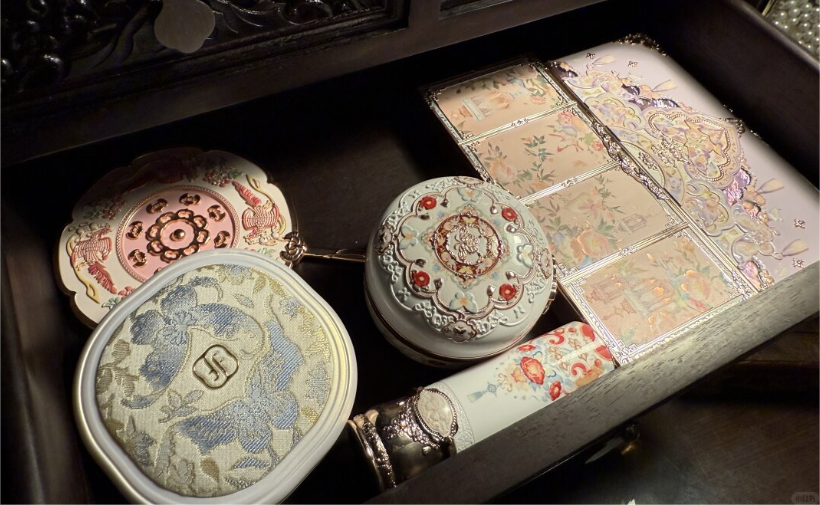
Image source of national trend beauty products: Internet
In terms of global layout strategies, enterprises give priority to conducting pilot projects in the Asian market with similar cultures. After accumulating market experience and verifying product acceptance, they gradually expand into the European and American markets with significant cultural differences. In terms of marketing methods, both online and offline approaches are taken into account. On the one hand, international social platforms such as TikTok, Instagram, and X are utilized to quickly reach the target audience. On the other hand, offline experience stores are set up to create immersive product display Spaces, and the cultural stories behind the products are conveyed in multiple ways.
3. Policy support: Clear guidance for cultural trade
Systematic guidance at the policy level has provided a clear direction and solid support for the overseas expansion of domestic trends. On the one hand, the state has introduced special policies to encourage brands in fields such as cultural creativity and digital culture to go global, guiding enterprises to deeply explore the resources of China's fine traditional culture and develop cultural products and services with Chinese characteristics. On the other hand, a series of policies to boost consumption have been continuously implemented, promoting the innovative development of domestic trend products in areas such as clothing, beauty products, and trendy toys. They have also explicitly set goals such as "domestic trend going global" and "first release going global". The accompanying visa-free entry policy has also provided a convenient channel for overseas consumers to experience domestic trends and feel Chinese culture.
These policies not only make domestic trend consumption an important increment in new domestic consumption scenarios, but also enhance the global competitiveness of domestic trend products through cultural cores.
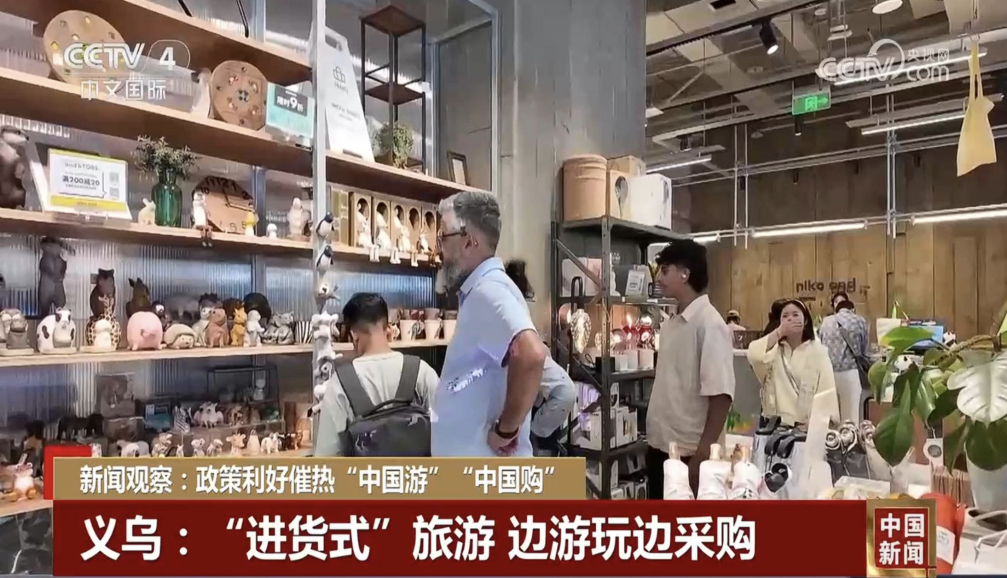
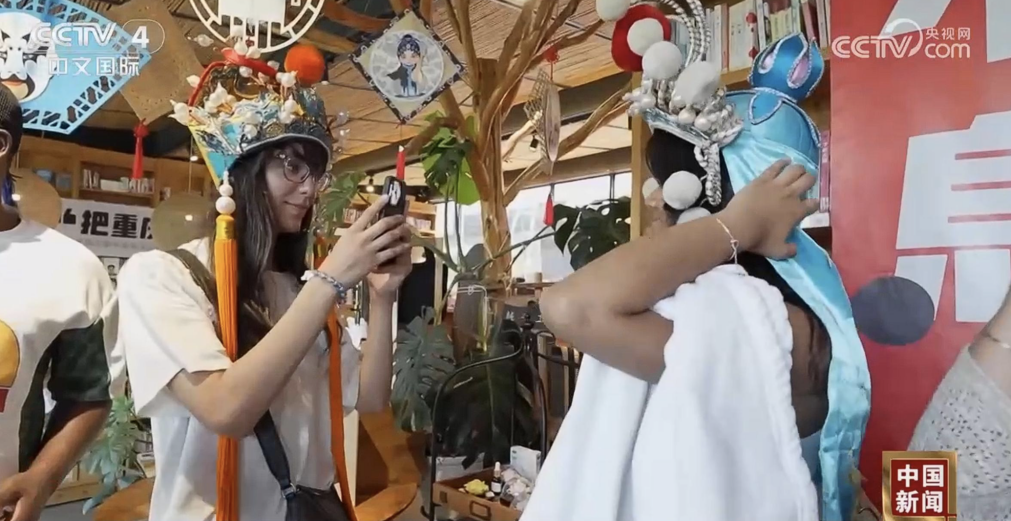
03
The vanguard force of Chinese trends going global
Today, the overseas expansion of domestic trends is no longer the "solo battle" of a single category or a few brands. Instead, it has achieved comprehensive breakthroughs in multiple fields and levels, presenting a scene of a hundred flowers blooming. Among them, those industries that not only accurately capture the core characteristics of Eastern aesthetics but also ingeniously align with the consumption trends of the international market are becoming the vanguard force of Chinese trends going global.
The trendy toy industry. Driven by emotional consumption, the global collectible toy industry has been continuously expanding in scale and has become a major track for Chinese trends to go global. Previously, Chinese collectible toys going global mainly relied on OEM production and white-label supply. However, nowadays, Chinese collectible toys going global incorporate traditional Chinese zodiac signs and classic literature into IP design, and integrate intangible cultural heritage techniques from the East into product production. They use cartoonish and cute blind box and figurine images to achieve a lightweight expression of Chinese culture. The two-way integration of culture and industry has directly driven the steady increase in the scale of China's trendy toy industry. The China Commerce Industry Research Institute predicts that the market size of China's trendy toys will reach 87.7 billion yuan in 2025. The overseas expansion of Chinese enterprises is an important force driving the growth of the global market.
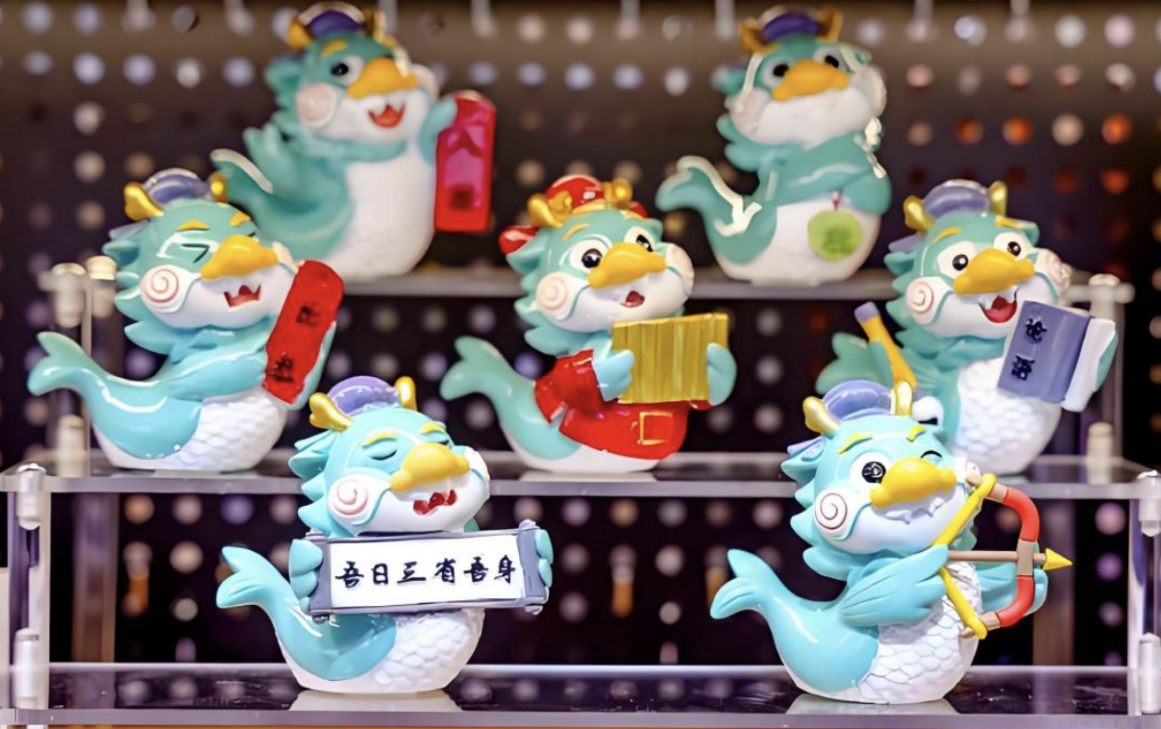
Image source: Internet
The beauty industry. The strong overseas expansion of China's emerging domestic trend brands has driven a global consumption craze for "Chinese beauty" (C-Beauty), making it a prominent battlefield for the overseas expansion of domestic trends. Previously, Chinese beauty products going global mostly focused on basic functions or followed international trends, lacking unique recognition. However, today's domestic trend brands, with Eastern aesthetics and cultural stories at their core, transform beauty products into carriers that combine practical value with cultural connotations, making the products not only beauty items but also collectible cultural artworks, thus forming a differentiated advantage in the international market. In addition, social media has continuously boosted the global popularity of "Chinese makeup" through short videos and influencer recommendations. Brands like Hua Xi Zi and Hua Zhi You have quickly established their overseas recognition through this, laying a solid traffic foundation for their overseas conversion. In Japan, where the beauty consumption market is mature, the import value of Chinese beauty products has risen to the third place, only after cosmetics from South Korea and France.
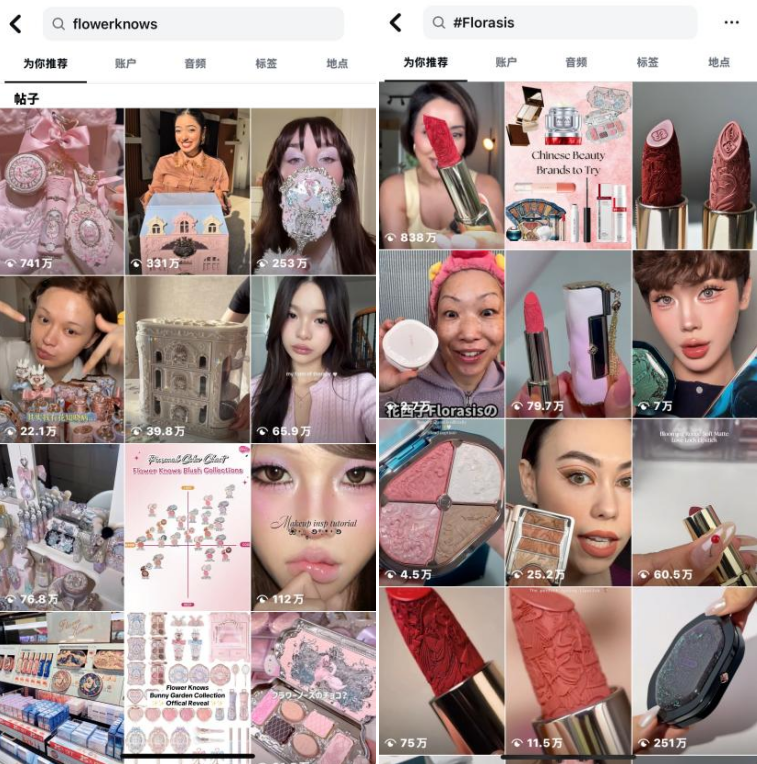
The popularity of domestic trend beauty brands on overseas social media
The jewelry industry. Chinese culture has provided profound empowerment for the overseas expansion of new Chinese-style jewelry. In Eastern aesthetics, whether it is the auspicious patterns or the craftsmanship deeply rooted in intangible cultural heritage, they all enable jewelry to transcend its decorative nature and transform into a cultural medium that carries stories and emotions. Especially the auspicious, long-lived and peaceful implications it contains precisely align with consumers' pursuit of emotional comfort and spiritual resonance in the global healing economy, making it easier for the product to transcend cultural differences and establish emotional connections. Meanwhile, new Chinese-style jewelry, with its wide range of average transaction values, can flexibly adapt to different levels of overseas markets. With its high iteration rate and portability, it can quickly integrate elements of Eastern aesthetics such as Chinese characters, peace pendants, jade inlays, and intangible cultural heritage craftsmanship. Through its "small but beautiful" product form, it effectively lowers the threshold for overseas users to try and becomes a lightweight carrier for cultural export.
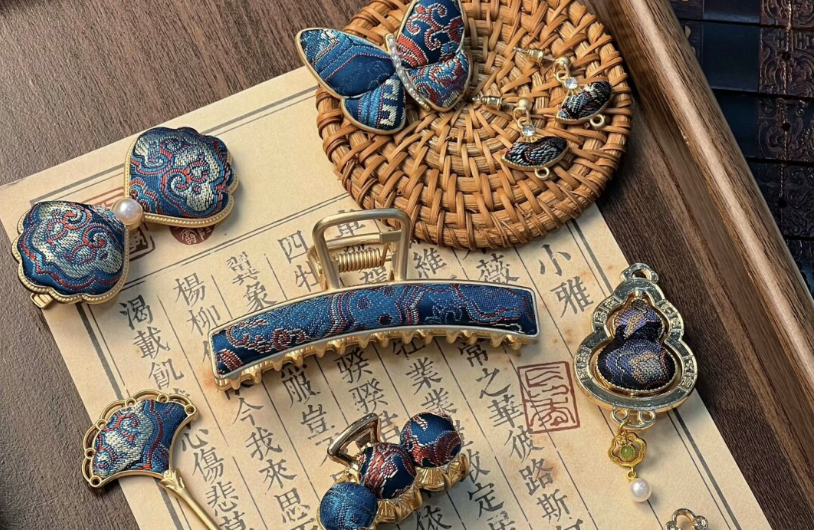
Image source: Internet
04
Yiwu is making a strong push for Chinese trends to go global
Looking at the Yiwu market, the Oriental charm is equally strong. The popularity of various new blind boxes, pendants and ornaments featuring the zodiac horse in the New Year's goods market of the International Trade City has been on the rise. The "Crying Horse" doll, with its mouth seam design showing a wronged expression, precisely hit the emotional stress relief needs of global consumers and went viral. Relevant merchants received orders from merchants in South Africa, Russia, Romania, Mexico and other countries.
In addition, new Chinese-style bracelets have also performed outstandingly in the Yiwu market. Combining natural jade, glass beads and traditional rope weaving techniques, and incorporating auspicious elements such as the Ruyi knot and the peace knot, this type of bracelet not only serves as an accessory but is also endowed with beautiful meanings. It is deeply loved by young consumers in Southeast Asia, Europe and America, and has become a lightweight carrier of cultural wear.
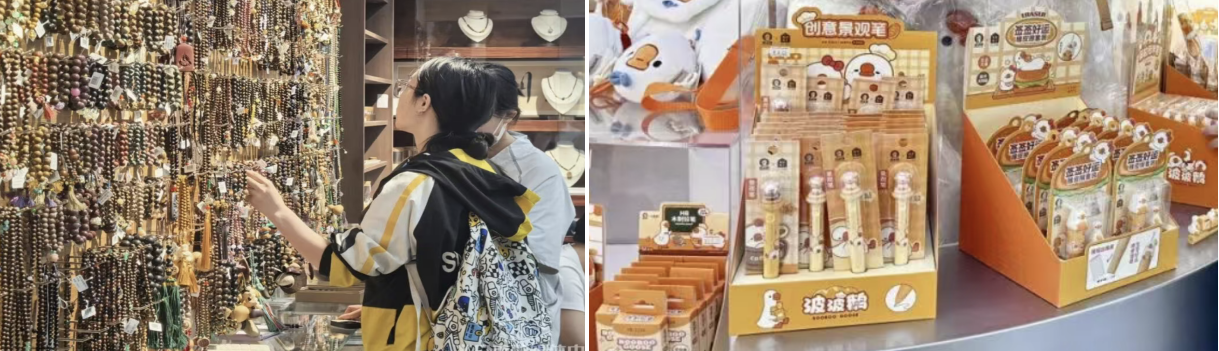
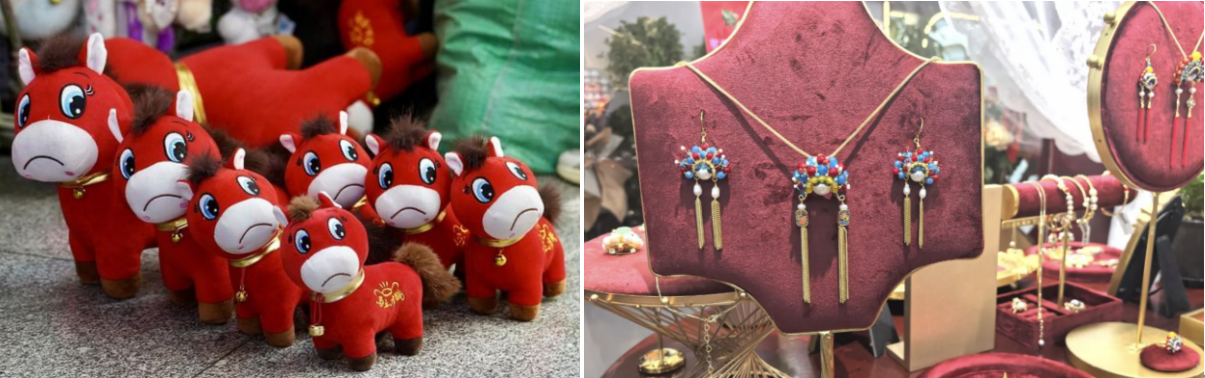
The traditional Chinese style jewelry zone located in the Global Digital Trade Center continuously transforms cultural symbols such as opera and intangible cultural heritage into fashionable products. For instance, a brooch series that incorporates elements of the damadan can receive an annual order of 20,000 to 30,000 sets, attracting global purchasers from Europe, America, the Middle East and other regions.
Meanwhile, local cultural ips have also taken root and flourished in Yiwu. The "Bobo Goose" image, inspired by the poetry of local poet Luo Binwang, is widely used in stationery and cultural and creative products. It is sent to the world along with orders, marking an attempt to export local culture to the international market.
Today, Yiwu is taking on a dual identity of "product export + aesthetic export", allowing the charm of the East to transcend cultural barriers and shine in the global market.
Conclusion
The overseas expansion of domestic trends has long evolved from a spontaneous exploration by enterprises to a contemporary trend supported by national strategies. Cultural integration continuously drives industrial development. This is not only a vivid manifestation of Chinese cultural confidence but also a collaborative overseas expansion of culture to empower Chinese creation.
In the future, as policy empowerment continues to intensify and enterprises' innovation and exploration deepen, the "national trend" will also carry a strong Oriental charm and vibrant modern trends, embarking on a broader overseas path and allowing the world to witness more warm and distinctive Chinese creations and Chinese aesthetics.
—— The content of this article is translated by Al ——
 My favorites