

From Thermal insulation Tools to Wearing Aesthetics: An Analysis of the Yiwu Scarf Industry
Publish Time:2026-01-28 15:41:22Pageviews:126


abstract: As one of the most popular categories among the winter "little three items" (hats, scarves and gloves), Yiwu scarves have been selling well both at home and abroad all year round, with an annual sales volume accounting for about 70% of the national total. From mass-market styles to high cost-performance customized ones, Yiwu has grown into one of the most important scarf distribution centers in China and even the world.
A scarf, which is both warm and photogenic, easily captures the winter atmosphere.
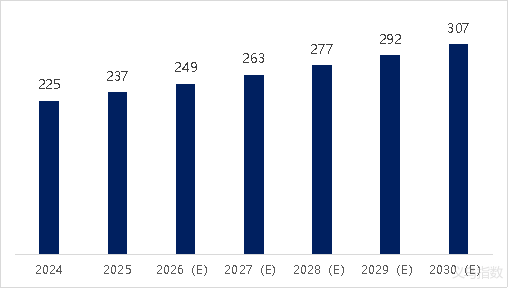
The market size of scarves in China was 22.5 billion yuan in 2024 and is expected to exceed 30 billion yuan by 2030, with a compound annual growth rate of over 5%.
As one of the most popular categories among the winter "little three items" (hats, scarves and gloves), Yiwu scarves have been selling well both at home and abroad all year round, with an annual sales volume accounting for about 70% of the national total. From mass-market styles to high cost-performance customized ones, Yiwu has grown into one of the most important scarf distribution centers in China and even the world.
In this article, Yiwu Index will interpret the scarf industry for you.
01
From "Warming tools" to "Wearing aesthetics"
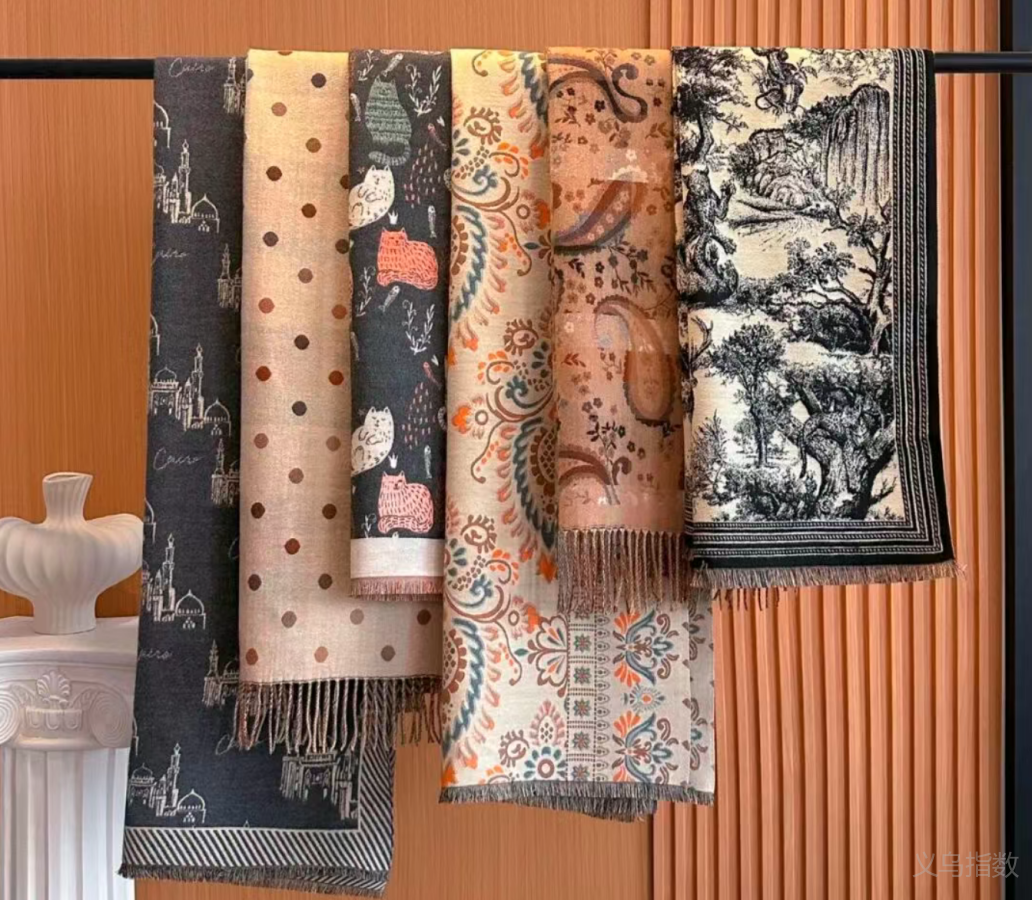
Nowadays, driven by both refined consumption and the economy of ceremony, scarves have long transcended the category of mere warming tools and become lifestyle aesthetic items that combine fashionable expression, emotional transmission and scene adaptation. From the finishing touch of daily outfits to the thoughtful choice for festival gifts, and even to the standard attire for business occasions, the product line of the scarf industry is constantly expanding. At present, the categories of scarf products are mainly classified in the following ways:
By function/form: long scarves, square scarves, shawls, silk scarves, headscarves, neck scarves, thermal scarves, etc.
By material, traditional materials such as wool, cashmere, silk, cotton and linen still dominate the mid-to-high-end market. Among them, cashmere scarves are favored in winter for their lightness and warmth, while silk scarves stand out in spring and summer as well as business scenarios.
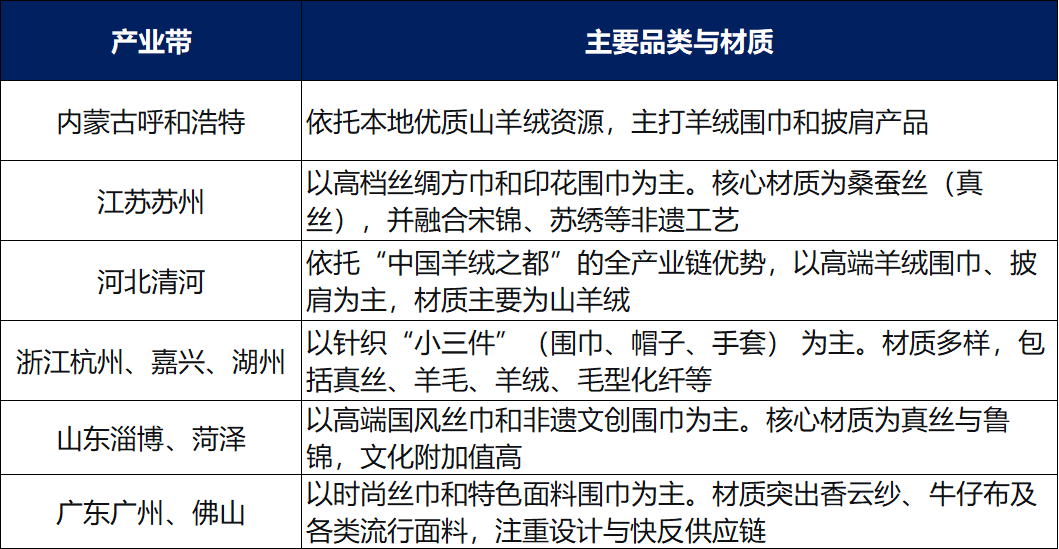
The refinement of product categories has promoted the centralized development of industrial belts. The main manufacturing and export bases of scarves in China are concentrated in Zhejiang, Jiangsu, Guangdong, Shandong and Hebei, with their combined output accounting for 78% of the global scarf production.
The distribution of the main industrial belts in the domestic scarf industry
Source of information: Collation of public information
www.ywindex.com
With the increasingly diversified consumer demands in the scarf market, the competitive landscape of the industry has also shown a clear stratified trend. At present, the overall concentration of the scarf market in our country is relatively low, with scattered participants, mainly small and medium-sized enterprises. In terms of leading prices and fashion trends, international first - and second-tier brands such as Burberry and Acne Studios dominate, but scarves are usually accessory products of these brands.
02
A scarf, a business worth billions
From a must-have for keeping warm on the streets in winter to a finishing touch for all-season outfits, behind a scarf lies a rapidly growing market worth hundreds of billions of yuan.
(1) Chinese market: Small accessories, big growth
In recent years, the market size of scarves in China has been growing steadily. The market size of scarves in China reached 22.5 billion yuan in 2024 and is expected to exceed 30 billion yuan by 2030, with a compound annual growth rate of 5.33% during this period.
The market size of scarves in China from 2024 to 2030 (in billions of RMB)
Data source: Berges Consulting
www.ywindex.com
From the demand side, the growth of the scarf market size is mainly driven by the following factors:
Winter warmth is a must-have. On the one hand, scarves, as essential items for keeping warm in winter, have a stable basic demand, which supports the basic scale of the scarf market. On the other hand, as the ice and snow economy continues to heat up, scenarios such as skiing, ice rinks, and ice and snow tourism are becoming increasingly popular, further amplifying the usage frequency and functional value of scarves.
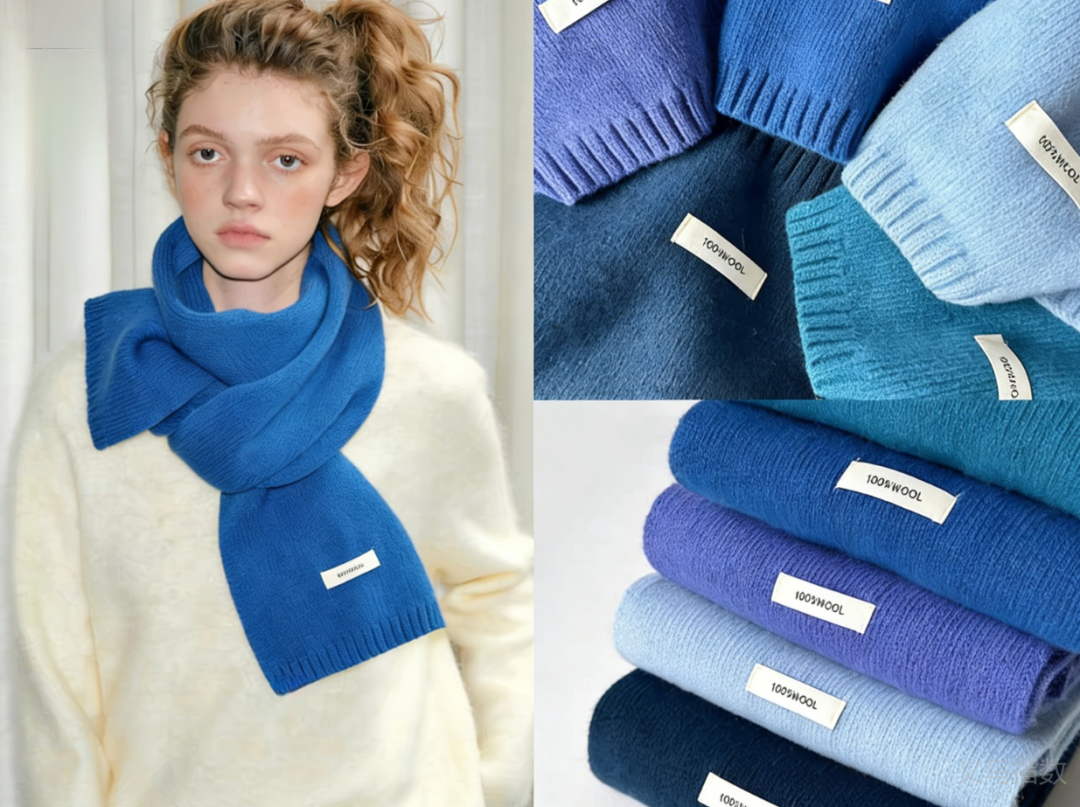
The decorative attributes have been enhanced and the usage scenarios are available throughout the year. In current actual consumption scenarios, scarves are widely used in commuting outfits, vacation headscarves, sun-protective outerwear, bag decoration embellishments, and gift-giving, etc. The "multi-purpose use of one scarf" has significantly increased the frequency of scarf usage. The breaking of the boundaries between scenarios and seasons has shifted scarves from "occasional purchase" to "repeated replenishment", directly boosting the overall sales scale and repurchase rate.
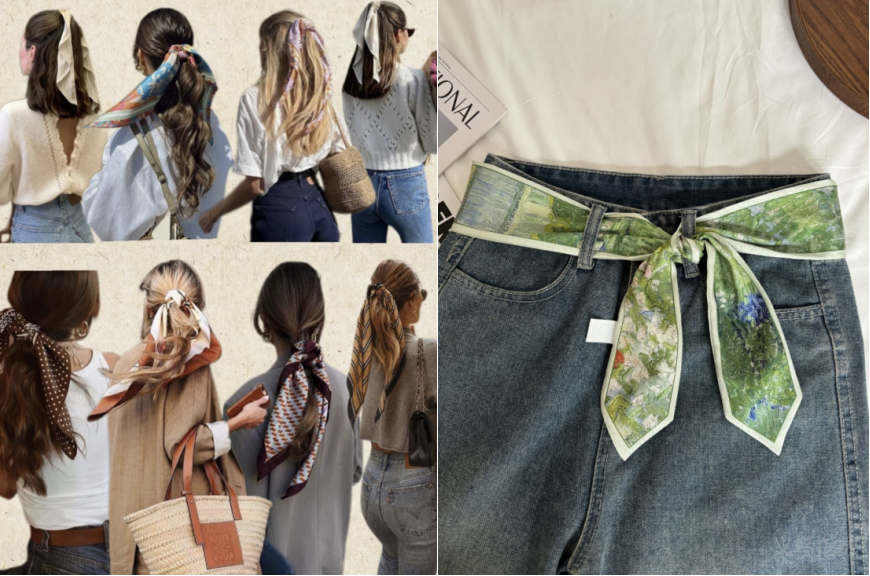
Meanwhile, multiple factors such as consumption upgrade, online channels, and social media seeding have further driven the growth of the scarf industry's market size. Consumers are willing to pay a premium for design, brand and comfort experience, driving up the sales of mid-to-high-end scarf products made of materials such as cashmere and silk. Data shows that the sales of high-end scarves in China increased by 15% year-on-year, significantly higher than the 7% growth rate of the mid-to-low-end market. Meanwhile, as a non-size-sensitive accessory, scarves are easy to display on online channels such as live-streaming sales and short-video platforms, and have a relatively low risk of return. This significantly lowers the decision-making threshold for consumers and effectively boosts the growth of scarf transaction volume.
(2) Overseas market: The market is growing rapidly and demands are diverse
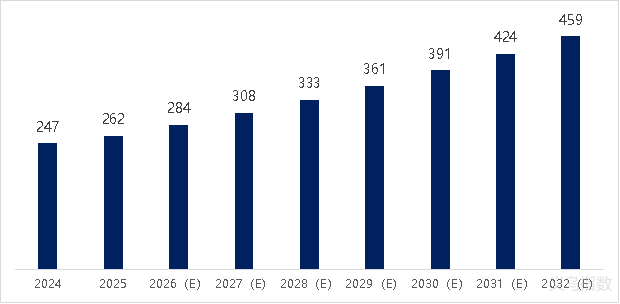
Driven by regional consumption differences and emerging markets, the global scarf market has shown a strong growth momentum. The global market size was approximately 24.7 billion US dollars in 2024 and is projected to grow to 45.9 billion US dollars by 2032, with a compound annual growth rate of 8.32% during the forecast period.
Global scarf market size (in billions of US dollars) from 2024 to 2032
Data source: FORTUNE BUSINESS INSIGHTS
www.ywindex.com
From a regional perspective, there are significant differences in the consumption background and demand characteristics of different markets:
Europe and America are core markets with mature consumption and strong premium pricing power. Among them, the European market stands out in the high-end scarf sector thanks to its profound culture of clothing and accessories and the clustering effect of numerous luxury brands (such as Hermes and Burberry), with materials like silk and cashmere being highly favored. In the North American market, influenced by geographical and climatic conditions, in the northeastern United States and Canada, where winter blizzards occur frequently, consumers have a strong and rigid demand for functional warm scarves as well as fast fashion decorative scarves.
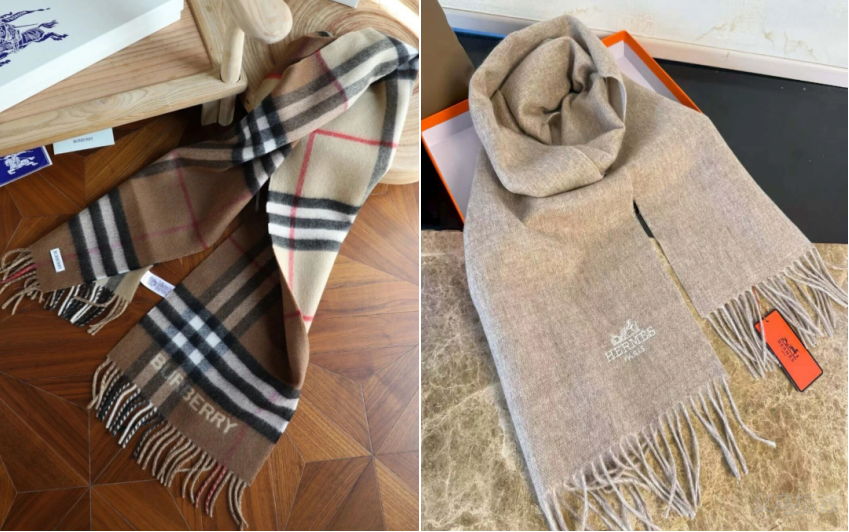
The image source of a scarf from a certain luxury brand: The Internet
The Asia-Pacific region has a huge market volume and a diverse demand structure. It holds 38% of the global scarf market, with an average annual growth rate of over 8%. This growth is supported by multiple consumption drivers within the region: on the one hand, the demographic dividend and income growth form the basic consumption base. Among them, emerging markets represented by India and Southeast Asian countries are undergoing consumption upgrades. Scarves are positioned as fashion accessories, cultural souvenirs, and travel souvenirs. Their lightweight materials and distinctive designs are suitable for climate and scene demands. At the same time, the penetration of social media e-commerce has further lowered the threshold for consumer decision-making, promoting the expansion of the market size. On the other hand, in mature markets such as Japan and South Korea, high-quality materials and neutral tones are highly regarded. Under similar urban workplace cultures, scarves have become a core item for creating an overall "atmosphere" in social media platforms.
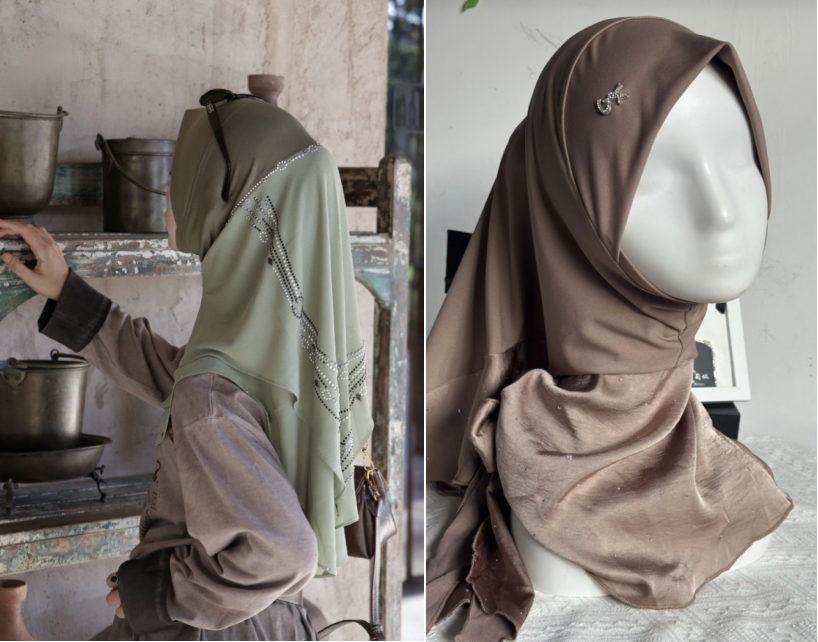
The Middle East and North Africa region is a "must-have market" that relies on dressing habits. In most Arab countries, as women generally need to wear headscarves with long robes when going out, scarves are frequently used as essential items there. In a dressing system dominated by dark-colored outerwear, scarves are one of the few versatile elements that can be used to distinguish styles and reflect personal taste. Due to the regional high-temperature climate, materials such as chiffon, silk and lightweight modal have become the mainstream in the market. In terms of design, there is a general preference for bright and complex decorative prints. Gold thread outlining, gemstone inlaying, large areas of geometric flowers and patterns with Islamic art characteristics are the most popular.
03
Trend of change: The industry is moving towards high-quality development
With the upgrading of consumption and the growth of personalized demands, the scarf industry is constantly evolving towards personalization, high quality, intelligence and sustainability.
Specialization and Personalization: From "Essential Warmth Retention" to "Personalized Dressing"
Scarves are evolving from a single winter warming item to a versatile outfit that covers multiple seasons and scenarios. The product forms have expanded from thick basic styles to various types such as square scarves, shawls, long scarves, and ribbons. The materials have also extended from traditional warm fabrics to lightweight fabrics, wool blends, and functional materials, to meet different scenarios such as commuting, outdoor activities, business, and travel. Meanwhile, with the improvement of consumer aesthetics and identity awareness, scarves have shifted from highly homogeneous "standard equipment for the masses" to personalized accessories that carry personal style and emotional expression. The improvement of small-batch production and rapid design capabilities at the manufacturing end has lowered the threshold for multi-style and customized supply, accelerating the implementation of this trend.
High quality and craftsmanship: Material innovation driven by consumption upgrade
As consumers' purchasing power increases, scarves have gradually shifted from basic warming items to accessory items that emphasize quality and texture more. High-quality materials not only enhance wearing comfort but also, due to their greater durability and longer service life, align with the current consumption trend of "less but better". In the global scarf market, the revenue share of high-priced materials such as silk, wool and cashmere continues to rise. In mature markets such as Europe and America, consumers are increasingly willing to pay a premium for traditional craftsmanship details like hand-rolled edges and high-count fine spinning when choosing scarves.
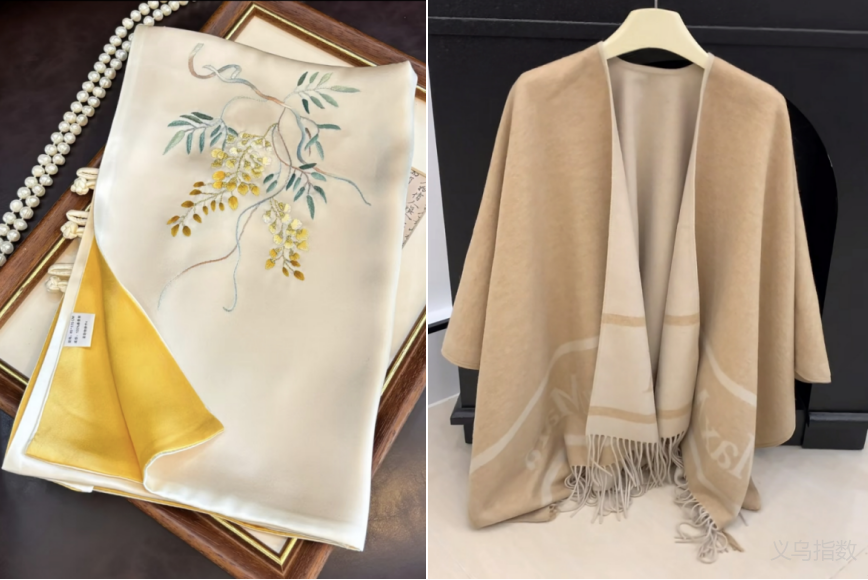
Silk and cashmere scarves. Image source: Internet
Intelligence: Technology Empowers a new category of scarves
The application of technology is bringing new growth space to the scarf market. By 2025, the market size of smart scarves in China is expected to reach 430 million yuan, with a compound annual growth rate of approximately 18.7% over the next five years. By integrating functions such as temperature control and antibacterial properties, the practicality of the product has been significantly enhanced. Although the unit price of smart scarves is generally high, the acceptance of young consumers has been continuously increasing. Scarves with smart temperature control functions have accounted for about 15% of winter sales and have become a popular category in northern regions.
Sustainability becomes an "entry threshold"
The application of environmentally friendly materials has become a key focus of industry transformation. Whether it is green and whether the production is standardized is gradually influencing whether a brand can enter the European and American markets. In recent years, the use of recycled fibers, organic cotton and other materials in scarf products has increased significantly. As environmental awareness continues to rise, when consumers purchase scarves, they will further inquire about whether the raw materials are compliant, whether the production process is standardized, and whether unnecessary harm to animals will be avoided. Leading brands such as Burberry and Hermes have been continuously strengthening their management of raw material sources and production processes in recent years, and gradually enhancing the transparency of their supply chains.
04
Yiwu Scarves: From Manufacturing to Definition
The scarf industry in Yiwu market started in the 1990s. After more than three decades of development, the industry has become highly concentrated and has become one of the largest scarf wholesale bases in China and even the world. In 2024, the scarf industry in Yiwu market sold over 350 million scarves, accounting for approximately 70% of the total national scarf sales.
According to the Yiwu Index monitoring, since 2020, the prosperity index of scarf products has maintained a steady growth. By 2024, it had risen to 1,877.7 points, with a cumulative increase of 58%.
The prosperity index of scarves from 2020 to 2024
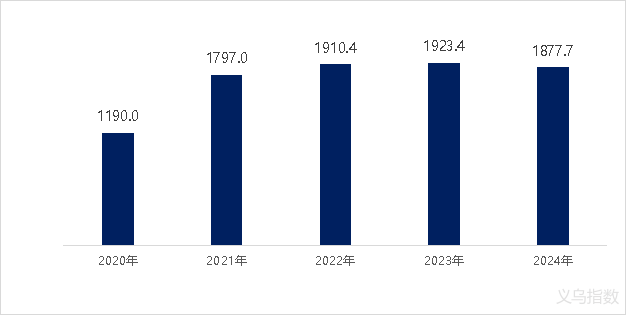
Data source: Yiwu Index
www.ywindex.com
(1) Overview of the Scarf Industry in Yiwu Market
The scarf industry in Yiwu Market is mainly located on the fourth and fifth floors of the fourth zone of the International Trade City. There are approximately 1,300 business entities, and the products cover various styles such as knitted, silk, imitation cashmere scarves, and plush scarves.
In terms of product sales, foreign trade holds a dominant position, accounting for 80% of the total volume, mainly sold to the Middle East, North Africa, Europe, America, Japan, South Korea and other regions. The domestic sales part is mainly handled by secondary wholesalers, distributed in the surrounding counties and cities of Yiwu as well as in Jiangxi, Anhui, Henan and other places.
According to the visit and understanding of Yiwu Index, for a long time, the scarf industry in Yiwu market has been dominated by foreign trade exports, and its products are distributed all over the world. In recent years, the proportion of domestic sales has also been continuously increasing. In the past, scarves were mostly of basic styles. With the increasingly diverse demands of consumers at home and abroad, scarf products in the market are constantly upgrading towards high quality and diversity.
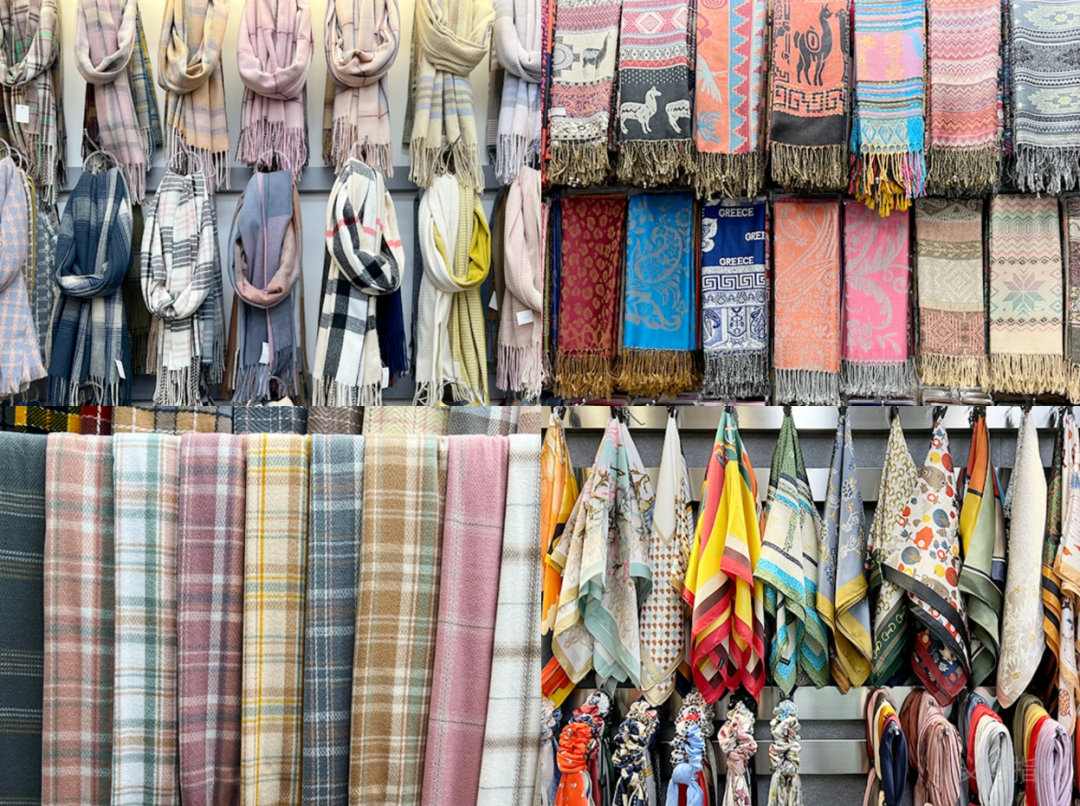
The scarf in Zone 4 of the International Trade City. Image source: Yiwu Index
(2) Yiwu Scarf 2.0
Shift from "winning by quantity" to "winning by quality". Merchants in the scarf industry in Yiwu market are gradually bidding farewell to the extensive model that relies on production and sales scale and speed, and instead are building long-term competitiveness by relying on design, brand and culture. The enterprise integrates national trends, intangible cultural heritage and regional culture into product design, transforming scarves from warm items into fashionable accessories with cultural narrative capabilities. For instance, some merchants have drawn inspiration from the diverse historical cultures and traditional craftsmanship along the "Belt and Road" to develop cultural and creative silk scarves that are brightly colored and have a soft touch.
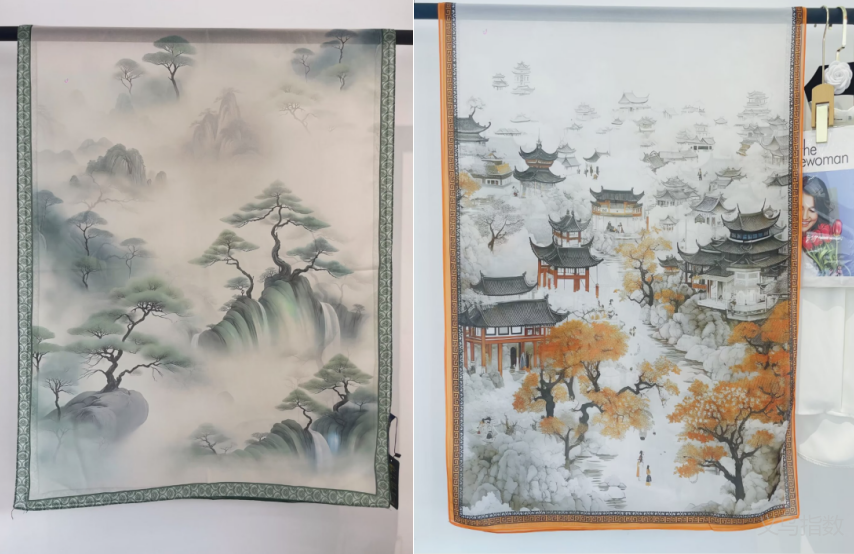
Image source: Yiwu Index. National trend style silk scarf
Product innovation focuses on the overall improvement of design, craftsmanship and materials. Market merchants form their own design systems by analyzing popular trends, deconstructing popular styles, and integrating key elements of color and pattern. In terms of craftsmanship, by adjusting the yarn, weaving density and brushing process, the scarf products are made to balance warmth and lightness. In terms of design, we offer personalized pattern customization services to attract customers with differentiation. We also introduce high-precision processing equipment to ensure the realization of the design and avoid problems such as pattern deviation and rough hand feel.
AI technology empowers production and operation. In terms of product visual presentation, merchants use AI tools to batch generate stylized product images that are suitable for different e-commerce channels, effectively reducing the time and financial costs of shooting and photo editing. In the core design stage, AI efficiently generates thousands of color schemes and style combinations, accelerating the product iteration pace and strengthening the differentiated competitive advantage of Yiwu scarves in the market.
Summary
Market performance: The scarf industry has reached a scale of over 10 billion yuan, with strong global demand.
Industry trend: Evolving towards high-quality development, personalization, high quality, intelligence and sustainability have become the main directions.
Sales channels: Offline, relying on industrial clusters, maintaining advantages in wholesale and high-end customization. Online conversion efficiency is remarkable thanks to visual display and no size restrictions.
—— The content of this article is translated by Al ——
 My favorites