

Spain: The gateway to Europe and the springboard to Latin America, a trade hub connecting 500 million consumers
Publish Time:2025-11-17 14:35:19Pageviews:284


abstract: As the Spanish economy continues to strengthen, its "geographical advantage" of connecting the three major markets of Europe, Africa and Latin America, as well as its "human advantage" of connecting the 500 million Spanish-speaking consumers, are becoming increasingly prominent. For Chinese small commodities going global, Spain is not only an important market but also a key hub connecting to the world.
If you were standing in 2008 and looking at Spain, which was then jokingly referred to as one of the "Piggy Five", you would never have imagined that it would leap to become the "best-performing economy in Europe" in 2024.
In 2024, Spain's GDP reached 1.72 trillion US dollars, with a growth rate of 3.2%, leading the eurozone and being four times the average level of the Eurozone.
In 2024, Spain's total import and export value reached 855 billion US dollars, with exports amounting to 403.7 billion US dollars. Exports to the 27 EU countries, Africa and other regions all achieved positive growth.
China's exports to Spain rose from 21.508 billion US dollars in 2014 to 40.87 billion US dollars in 2024, an increase of 90.02%.
As a trade hub, Spain, with its dual identities as the "gateway to Europe" and the "springboard to Latin America", has become a golden destination for Chinese enterprises to go global.
In this article, the Yiwu Index takes you to Spain.

Image source: Internet
01
Spain: From the "European Pig" to the "Dark Horse", the economic growth engine of the Eurozone
In 2024, the European economy will fall into a widespread slump: Germany's GDP has been in negative growth for two consecutive years, France has triggered multiple rounds of nationwide strikes, and the Italian government is on the verge of bankruptcy. However, Spain has become the economic growth engine of the Eurozone with a GDP growth rate of 3.2%. This is inseparable from multiple factors behind it.
(1) Geographical location: Standing on two oceans and facing three continents across the sea
Spain is located on the Iberian Peninsula. It faces Africa across the Strait of Gibraltar to the south, the Mediterranean Sea to the east, the Atlantic Ocean to the west, and France and Andorra to the north, forming a unique geographical pattern of "standing on two oceans and facing three continents across the sea". This strategic location makes it a natural bridge connecting Europe, Africa and America, and radiates to the three major regions.
Spain is surrounded by sea on three sides and has a long history of navigation. From Columbus' crossing of the Atlantic Ocean to discover the New World to the creation of the Galleon, which was technologically advanced at that time, Spain has accumulated a profound maritime heritage. Today, Spain has a coastline of 7,800 kilometers and 22 ports, including the ports of Algeciras and Barcelona, which are among the top in Europe in terms of cargo throughput, with an annual cargo handling capacity of over 500 million tons. In the first half of 2025, the container throughput of the Port of Barcelona increased by 10% against the trend, with outstanding performance on Asian routes.
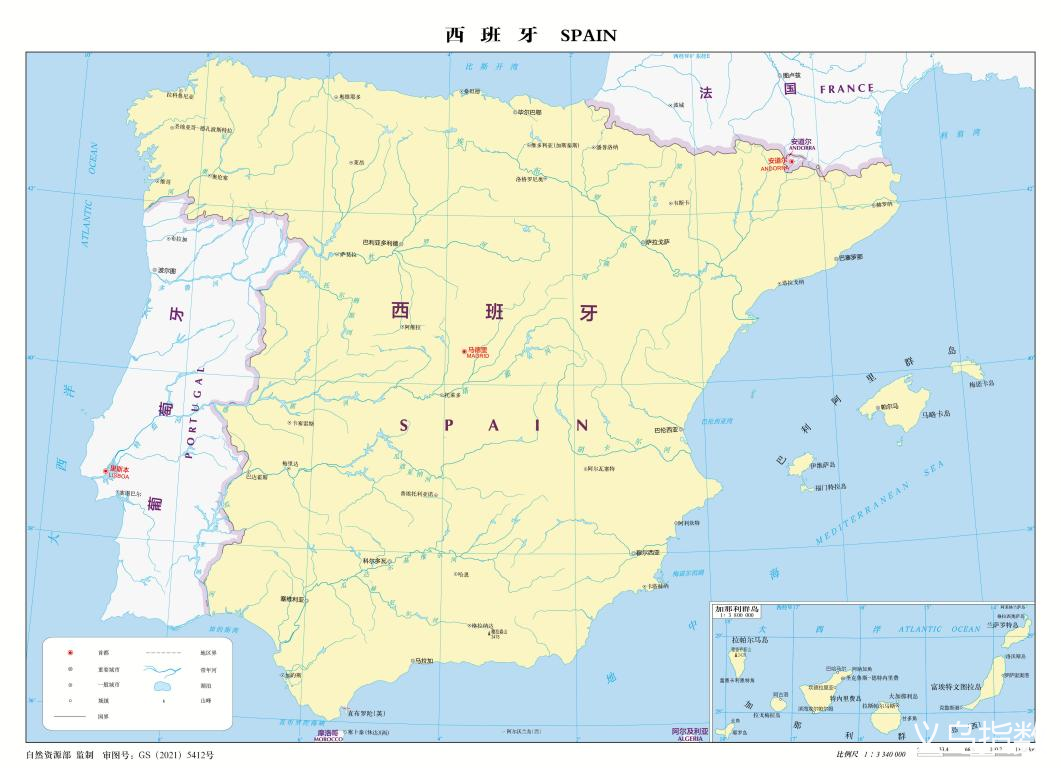
Image source: Internet
(2) Population: High urbanization rate, high consumption capacity, and high consumption desire
As the fourth most populous country in the European Union, Spain has a population of approximately 49 million. However, it also faces a significant aging challenge, with the proportion of people aged 65 and above reaching 21.8%, which is at a relatively high level in the EU. In recent years, its population growth has mainly relied on the continuous influx of immigrants, effectively alleviating the negative growth pressure brought about by the decline in the local birth rate.
As a typical European country, Spain has a high level of urbanization, and its residents have a strong willingness to consume and relatively strong purchasing power. According to Rastreator's research data, the proportion of Spaniards who spend all their income each month is as high as 26.7%, with 42.7% having a monthly savings of less than 200 euros, while only 7.6% have a monthly savings of over 500 euros.
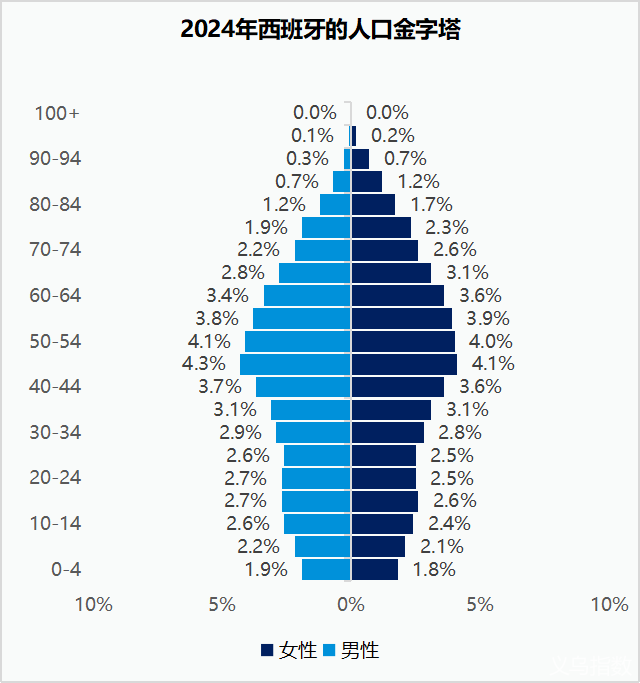
Data source: populationpyramid
www.ywindex.com
(3) Economy: The "Dark Horse" of Eurozone Economic Growth
Spain is a developed industrial country. In 2024, its GDP reached 1.72 trillion US dollars, ranking fourth in the European Union and fifteenth in the world. Its GDP grew by 3.2%, the highest growth rate in the Eurozone and four times the average level of the Eurozone. Spanish Economy Minister Carlos Cuebo said, "40% of the growth in the Eurozone in 2024 will come from Spain."
Spain's GDP (in billions of US dollars) from 2020 to 2024
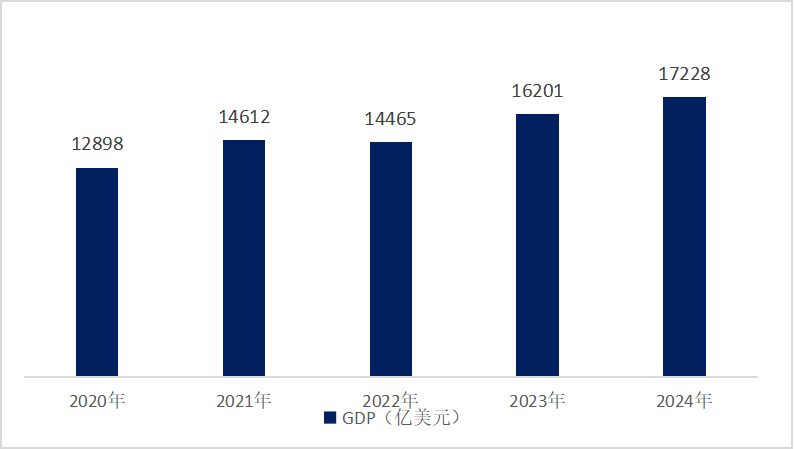
Data source: World Bank
www.ywindex.com
The "Three Pillars" have driven the rapid development of the Spanish economy.
The tourism ace industry: The recovery of the Spanish economy is inseparable from the strong development of its tourism industry. As the world's second-largest tourist destination, Spain received 94 million foreign tourists in 2024, a year-on-year increase of 10%. International tourists brought in 126 billion euros in tourism revenue for Spain.
With a profound industrial foundation: As the fourth-largest industrial country in Europe, Spain's automotive manufacturing industry stands out particularly. It is the second largest automotive producer in Europe and the eighth largest in the world. The sales revenue of the automotive industry accounts for nearly 10% of the GDP and 18% of the country's total exports. It also has a solid foundation in light industries such as textiles, footwear and leather, and its products are sold to Europe, Mexico and other places. As Chinese manufacturing enters Europe with its cost and scale advantages, both sides, after experiencing competition, are moving towards upgrading together: Spain strengthens its "handcrafted customization" and high added value advantages, while China is fully committed to transitioning from "manufacturing" to "quality manufacturing" and brand building.
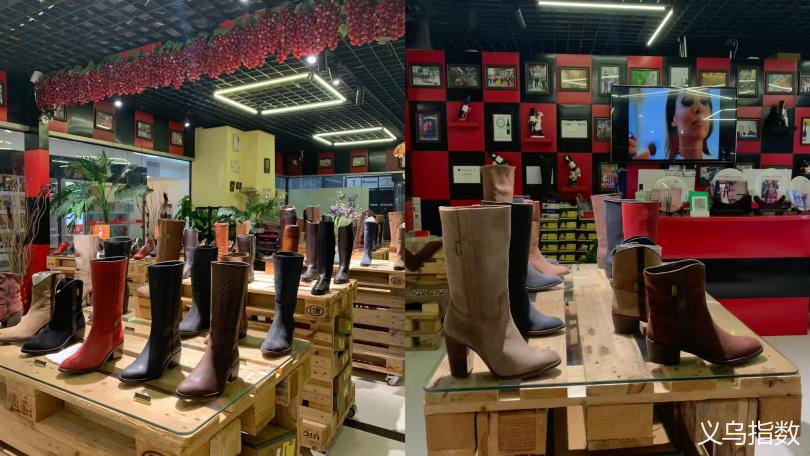
The Spanish handmade shoes in Zone 5 of the International Trade City. Image source: Yiwu Index
Spain, a major agricultural exporter, is renowned as the "European vegetable basket". It is not only the fourth largest producer of agricultural products in the European Union but also the largest exporter of fruits and vegetables in the EU and the third largest in the world. It ranks first in the world in both olive oil production and grape planting area, and is also one of the most important wine-producing countries globally. Wine, olive oil and meat are the main agricultural products that Spain exports to China. In 2024, Spain has become China's largest supplier of pork (excluding minced pork).
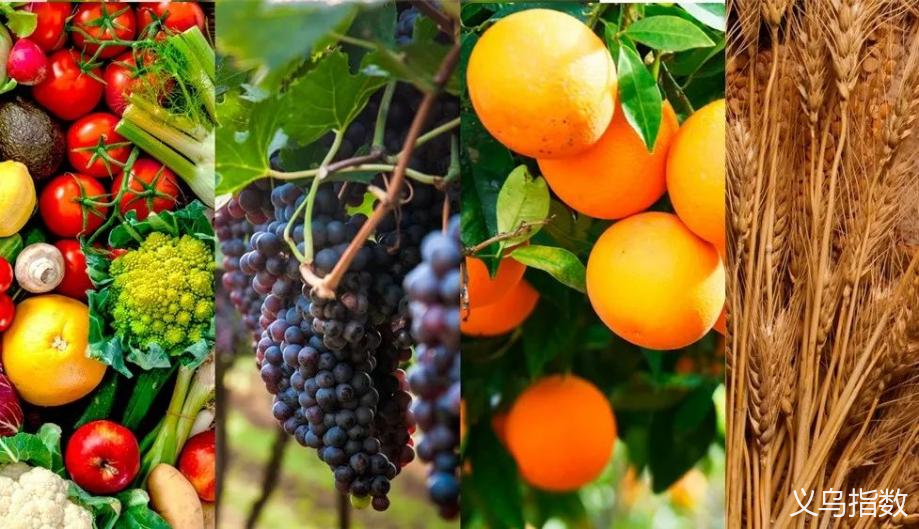
Image source: Internet
02
Rooted in the European Union and radiating globally
Spain's foreign trade is highly open, with its total trade volume accounting for approximately 60% of its GDP. In 2024, the total value of Spain's goods trade imports and exports reached 855 billion US dollars. Among them, imports reached 451.3 billion US dollars and exports 403.7 billion US dollars. Exports to the 27 EU countries, Africa and other regions all showed positive growth. The core competitiveness of Spanish trade largely stems from its unique "geographical advantage" :
(1) Trade Bridge: Unlocking the markets of Europe, Africa and Latin America
European Gateway: As a member state of the European Union, goods can enter the EU market duty-free and without quota restrictions after customs clearance here, greatly simplifying the trade process and reducing compliance and time costs. This convenience of "one-point customs clearance and coverage throughout Europe" makes it one of the most efficient springboards to enter the European market.
Latin American springboard: Relying on the cultural bond of 460 million Spanish-speaking people worldwide, Spain enjoys a natural brand highland effect in the Latin American market, enabling it to reach important markets such as Mexico and Argentina. Many Latin American buyers are also accustomed to making purchases through Spanish channels, forming a stable radiation chain. Based on this, many Yiwu merchants who were initially based in Spain have taken advantage of the resources they have accumulated to directly shift their business focus and market front end to Latin American countries such as Mexico, thus getting closer to the market.
The African outpost: With the North African enclaves of Ceuta and Melilla - the EU trade bridgehead that controls the Strait of Gibraltar, Spain has built the most efficient land and sea dual passage to North Africa and sub-Saharan Africa, becoming an important hub connecting Europe and Africa.
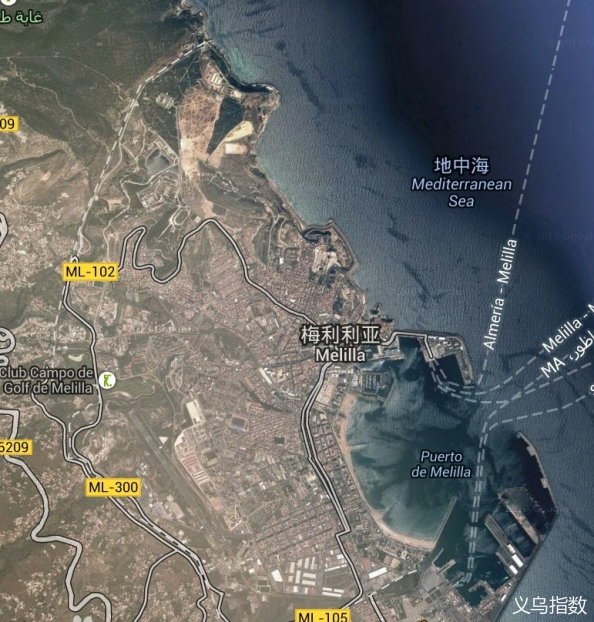
Spain's enclave in Africa, Melilla. Image source: Internet
(2) The European Union: A Trade Gold Mine Right at the Doorstep
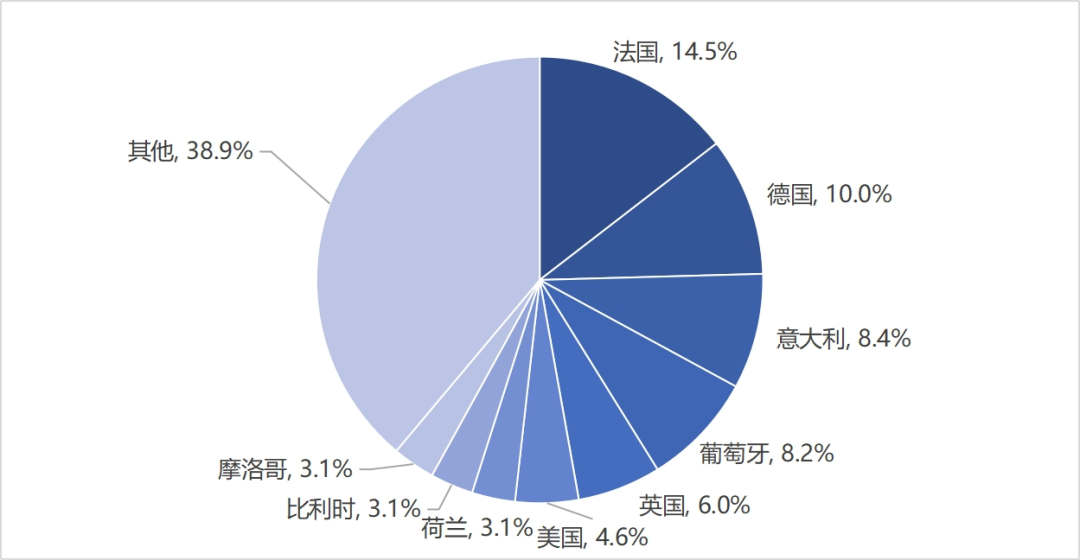
In 2024, Spain's exports to the 27 EU countries accounted for 58.7% of its total exports, with a trade surplus of 30.936 billion US dollars. It has maintained a trade surplus for 14 consecutive years, achieving the model of "European factories selling to Europe". The industries with the highest trade export volume are food, beverages and tobacco, the automotive industry and non-chemical semi-finished products.
The main export destinations of Spain in 2024
Data source: United Nations Commodity Trade Database
www.ywindex.com
(3) China: The largest trading partner outside the European Union, with its trade volume steadily expanding
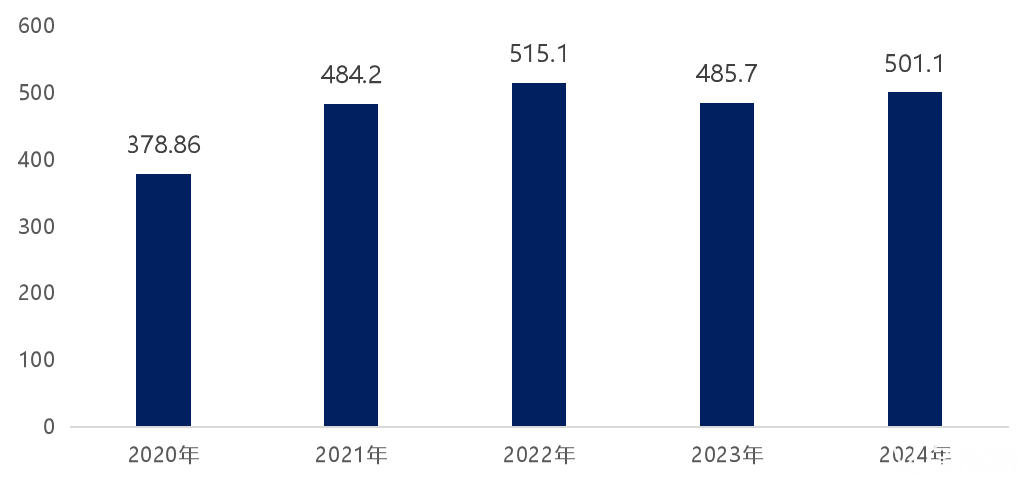
Spain is China's fifth largest trading partner within the European Union, and China is Spain's largest trading partner outside the European Union. The trade relationship between the two sides is close and continuously deepening, and the overall trade scale is on the rise. Spain's imports from China rose from 21.508 billion US dollars in 2014 to 40.87 billion US dollars in 2024, an increase of 90.02%.
Bilateral trade volume between China and Spain from 2020 to 2024 (in billions of US dollars)
Data source: Chinese Customs
 www.ywindex.com
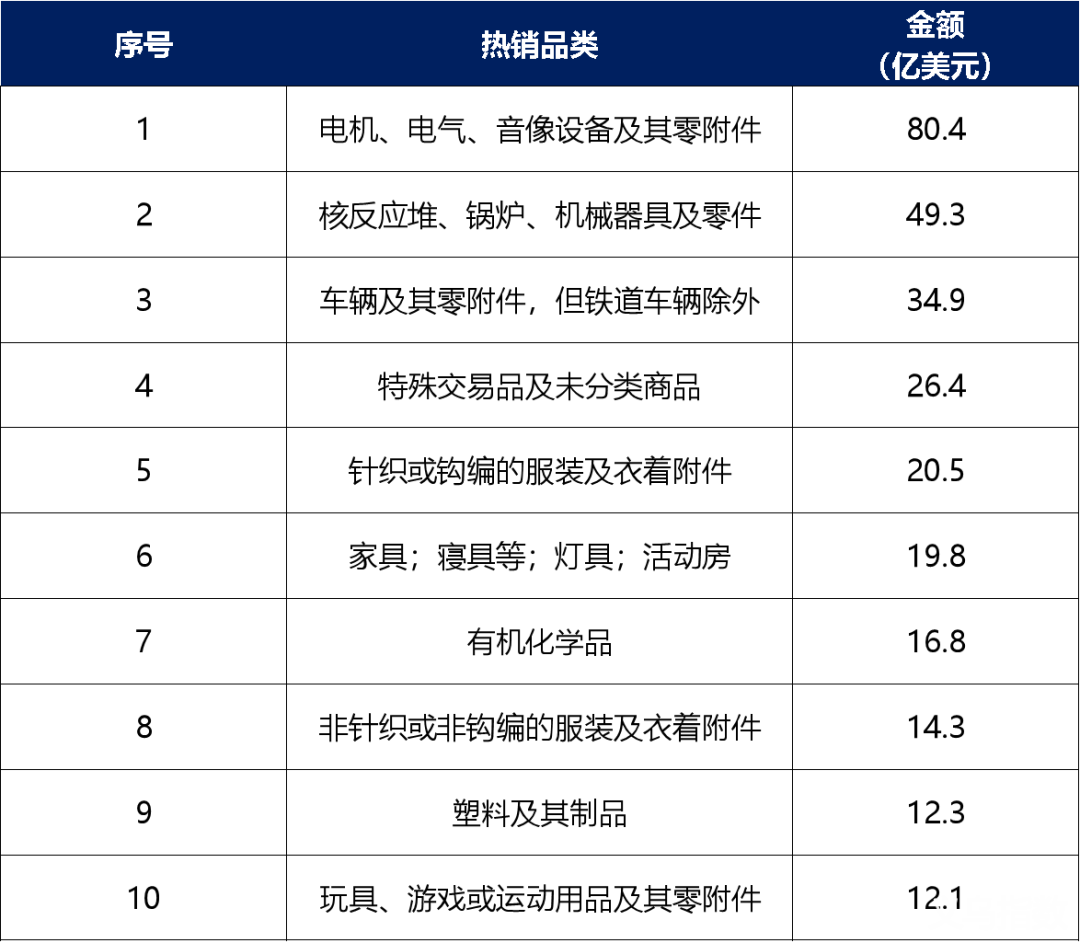
The trade structure is highly complementary: China's main exports to Spain include mechanical and electrical products, vehicles and spare parts, clothing, chemicals, furniture, toys, etc., while Spain's main exports to China are meat, mineral sands, medicines, copper products, plastic products, shoes, steel products, etc.
The top ten products exported from China to Spain in 2024
Data source: Chinese Customs
www.ywindex.com
03
Small commodity market
Small commodities are a popular category in Spain and have a corresponding market foundation both online and offline.
(1) The growth potential of multiple product categories is huge
Based on the dynamic capture of the Spanish market by the Yiwu Index, the sales data of categories such as electronic products and accessories, sports goods, beauty and skin care, and stationery are impressive, and it is expected that there will be considerable room for growth.
Electronic products and accessories: Consumer electronics is one of the core categories in Spanish e-commerce. The demand for subcategories such as smartwatches, Bluetooth headphones, wireless chargers, and e-readers has grown significantly.
Sports goods: The sports goods market is one of the fastest-growing sectors in Spain, with its sales surging from 1.111 billion euros in 2014 to 5.493 billion euros in 2024, an increase of over 394%. As a major sports power, Spain's demand for sports goods is still on the rise.
Beauty and skincare: The Spanish beauty consumption market continues to heat up. According to Stanpa data, the consumption amount in 2024 exceeded 11.2 billion euros, with a year-on-year growth of 7.7%, and the per capita consumption reached 221.6 euros. Among them, skin care products accounted for the highest proportion, reaching 31.7%, contributing 3.5 billion euros in sales.
Stationery: Stationery consumption has a stable foundation in Spain. According to Statista data, in the 2024 school year's back-to-school shopping, Spanish consumers spent an average of approximately 450 euros, with an average expenditure of 47.66 euros on stationery.

Spain won the 2024 European Championship for the fourth time. Image source: Internet
(2) Offline wholesale markets: Centralized and specialized distribution
Wholesale markets in Spain mainly cover categories such as clothing, daily necessities and agricultural products, and are mostly concentrated in major cities like Madrid and Barcelona. Among them, the COBO CALLEJA industrial zone in Madrid and the Badalona market in Barcelona are respectively the largest first-level wholesale markets for Chinese small commodities in Spain, one in the south and the other in the north. They operate in the form of a professional street with a front store and a back warehouse, and are important sources of supply for local retail terminals such as "hundred-dollar stores".

COBO CALLEJA Industrial Zone Image source: Internet
(3) The online e-commerce market continues to grow
The booming e-commerce market in Spain provides an important online channel for Chinese small commodities. The e-commerce market size in Spain was approximately 34.28 billion US dollars in 2024, representing a year-on-year growth of 13%. It is projected to increase to 54.81 billion US dollars by 2029, with a compound annual growth rate of about 8.33% during the forecast period. Amazon, AliExpress, Zalando and others are several of the most frequently used cross-border online shopping platforms by Spanish consumers, and Spain has become the second largest overseas site of AliExpress after the United States in its global map.
The size of the Spanish e-commerce market from 2024 to 2029 (in billions of US dollars)

Data source: statista
www.ywindex.com
(4) "Mutual Pursuit" between Yiwu and Spain
Spain is located at the westernmost tip of Europe, while China is on the eastern side of Asia, one in the west and the other in the east. The Yiwu-Xinjiang-Europe Railway Express has connected the east and the west, closely linking Yiwu and Madrid, and promoting the "mutual pursuit" of trade between the two places.

Image source of the Yiwu-Xinjiang-Europe Railway Express: Internet
Full load departure: Export trade has grown steadily, with product categories continuing to diversify. The Yiwu-Xinjiang-Europe Railway Express continuously transports a wide variety of small commodities from Yiwu to Spain. According to the monitoring of Yiwu Index, from January to June 2025, Yiwu's export volume to Spain reached 2.163 billion yuan, ranking sixth among EU countries. Over the past eight years, the export volume from Yiwu to Spain has grown steadily. In 2024, the export volume from Yiwu to Spain exceeded 4.6 billion yuan, increasing by 5.54% year-on-year and 59% compared with 2016. In recent years, the main categories of goods exported from Yiwu to Spain include: kitchenware and bathroom utensils, bags, plastics and their products, etc.
In recent years, the main categories of goods exported from Yiwu to Spain

Data source: Yiwu Index
www.ywindex.com
Fully loaded return journey: Import and cultural display go hand in hand. The Yiwu-Xinjiang-Europe Railway not only boosts the export of small commodities but also enables more high-quality Spanish goods to enter the Chinese market by increasing the load rate of return trains, thereby spreading out fixed costs. The "Spanish Pavilion" in Zone 5 of Yiwu International Trade City showcases and sells characteristic products such as ham, red wine and olive oil. It not only facilitates domestic buyers to select products in one stop, but also serves as a vivid display window for spreading Spanish culinary culture.
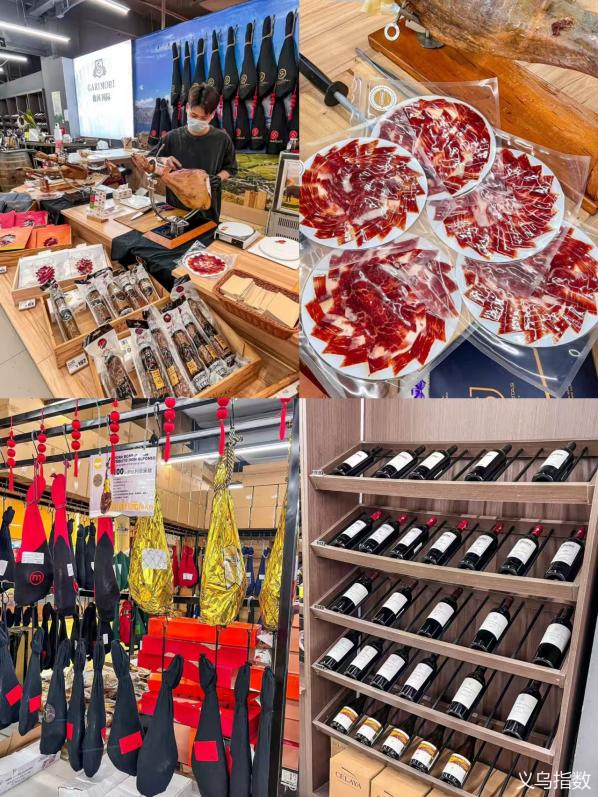
Ham and red wine in the Spanish Pavilion in Zone 5 of the International Trade City. Source: Yiwu Index
Establishing overseas warehouses: Supporting services facilitate smooth trade. Yiwu China Small Commodities City is actively promoting the layout of its overseas warehouse in Madrid, Spain. This overseas warehouse is only 10 kilometers away from the largest small commodity wholesale market in Southern Europe and is close to the expressway, with convenient transportation. As a comprehensive platform integrating functions such as warehousing, exhibition halls and overseas stations, it will help reduce trade costs between Yiwu and Spain, shorten the trade chain and improve trade efficiency, providing strong support for Yiwu merchants to expand into the European market.

Image source of Madrid Overseas Warehouse in Spain: Yiwu Index
04
Notice on Trade in Spain
The certification threshold is high, and compliance is a hard requirement: The Spanish market has complex and strict requirements for the product certification system. Goods entering the market of this country must comply with relevant regulations of Spain and the European Union. Among them, CE certification is a basic threshold, applicable to multiple categories such as electronics, machinery, toys and medical devices. Some products also need to comply with data protection regulations such as GDPR. In addition, product labels and instructions must be in Spanish. For some specific products, versions in other languages may also be required.
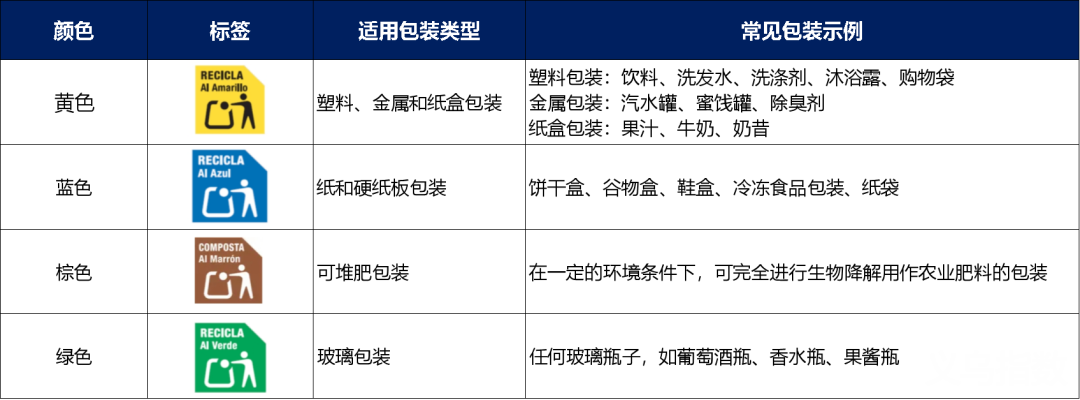
Overall green regulation is becoming stricter: The overall environmental regulation of the European Union is becoming increasingly strict (such as the high carbon emission standards required by the Carbon Border Adjustment Mechanism (CBAM)). As a member state, Spain's ESG (environmental, social and governance) policies are also becoming stricter, with requirements for the definition of green products, certification, and the proportion of renewable energy usage constantly rising. For instance, starting from January 1, 2025, Spain will enforce new packaging label regulations. All sellers who meet the requirements must clearly display environmentally friendly labels on their product packaging.
The new packaging label regulations in Spain in January 2025 apply to different types of packaging
Source of information: Collation of public information
www.ywindex.com
Taxation is complex: There is a "three-level superposition" of taxation, with the central government, autonomous regions, and municipal governments collecting taxes at three levels. The tax rates and rules vary greatly, and it is inevitable that there will be conflicts among the rules. When dealing with tax issues, enterprises can seek professional tax consultation and support to ensure compliance with relevant regulations and minimize their tax burden to the greatest extent.
As the Spanish economy continues to strengthen, its "geographical advantage" of connecting the three major markets of Europe, Africa and Latin America, as well as its "human advantage" of connecting the 500 million Spanish-speaking consumers, are becoming increasingly prominent. For Chinese small commodities going global, Spain is not only an important market but also a key hub connecting to the world.
—— The content of this article is translated by Al ——
 My favorites