

With over 181,000 types available, smart wearables are becoming humanity's "digital organs".
Publish Time:2025-11-03 10:48:56Pageviews:451


abstract: Data shows that the global market size of smart wearables is expected to increase from 72.1 billion US dollars in 2024 to 216.8 billion US dollars in 2030, tripling the overall volume. It can be said that smart wearable devices are evolving from "niche technology" to "standard equipment for all".
An exoskeleton robot has enabled tens of thousands of people to easily reach the summit of Mount Tai, saving 30% to 50% of their physical strength. The related experience videos of foreign bloggers have gone viral nearly 20 million times.
Smart rings redefine "convenient operation", allowing you to control a computer with just a few gestures, becoming a "mouse worn on your hand"...
These sci-fi scenes that once appeared in movies are gradually becoming a reality.
Data shows that the global market size of smart wearables is expected to increase from 72.1 billion US dollars in 2024 to 216.8 billion US dollars in 2030, tripling the overall volume.
It can be said that smart wearable devices are evolving from "niche technology" to "standard equipment for all".
In this article, Yiwu Index takes you to understand the smart wearable industry.
01
From concept to reality, smart wearables are an extension of the body
(1) From head to toe, intelligence "wears" all over the body
Smart wearables refer to portable smart devices that can be directly worn on the body or integrated into users' clothes and accessories. It realizes functions such as information exchange, health monitoring and leisure entertainment based on the natural capabilities of the human body or environmental interaction through built-in sensors, wireless communication, integrated chips and multimedia technology.
The essence of smart wearables has long transcended the realm of tools. By achieving the interaction and integration of technology and the human body, it has become an extension of our physical form.
Classification of smart wearable devices

Source: China Commerce Industry Research Institute
www.ywindex.com
(2) Chinese market: Wrist-worn devices dominate, and emerging categories expand rapidly
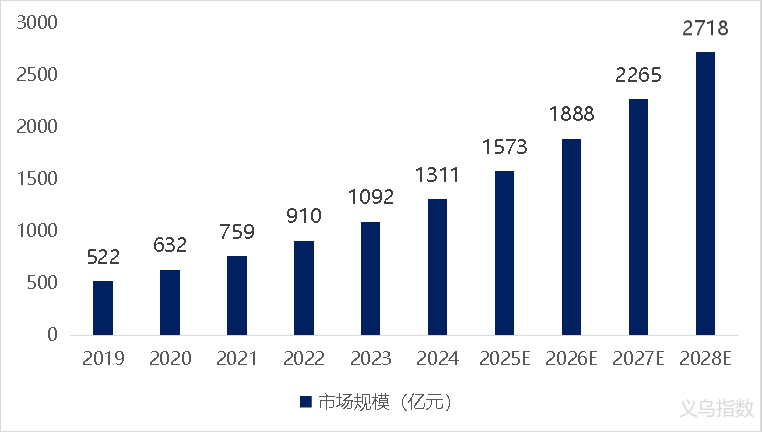
In 2025, the smart wearable market witnessed explosive growth. In the first three quarters of this year, the total number of smart wearables related products registered and using commodity barcodes in China reached 181,000, an increase of over 90% compared with the end of September 2020, with an average annual growth rate of nearly 14%. In terms of market size, the market size of smart wearable devices in China exceeded 130 billion yuan in 2024 and is expected to reach 271.8 billion yuan by 2028, with an average annual compound growth rate of 20%.
The market size of smart wearable devices in China from 2019 to 2028 (in billions of yuan)
Data source: Headleopard Research Institute
www.ywindex.com
Among them, wrist-worn devices have directly taken up half of the Chinese smart wearable market. In the first quarter of this year, the shipment volume soared to 17.62 million units, a year-on-year increase of 37.6%, contributing more than 60% of the shipment volume. Meanwhile, different subcategories have also witnessed rapid growth.
Smartwatches: Heart rate monitoring, blood oxygen detection, sleep analysis... Smartwatches with health management functions have become a standard feature for many people. Data shows that by 2024, the number of smartwatch categories has reached nearly 30,000, with an average annual growth rate as high as 46.8%, far exceeding the industry average. In the same year, the industry market size reached 37.47 billion yuan, increasing by 8.2% year-on-year. In the early days, the smartwatch market was dominated by leading manufacturers. Nowadays, many small and medium-sized brands have also joined in, taking advantage of their mature technology and market opportunities. Leading manufacturers are committed to building a closed-loop ecosystem of "hardware + data + services" to consolidate their dominant position. Small and medium-sized manufacturers, on the other hand, seek product differentiation breakthroughs by delving into niche scenarios and innovating flexibly. In Yiwu International Trade City, smartwatches have become one of the best-selling categories, with products ranging from basic electronic watches to high-end smartwatches, children's smartwatches, and fitness bands.
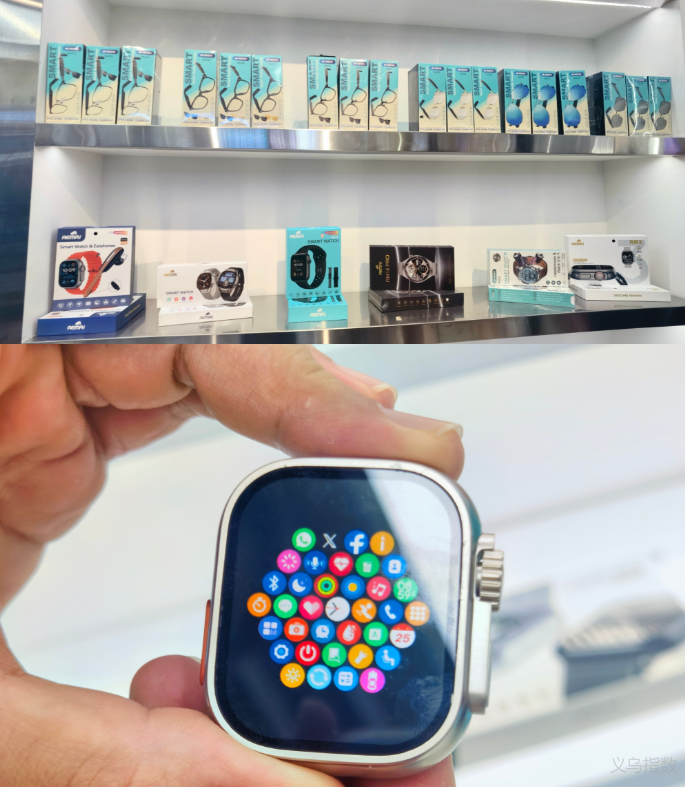
The smartwatch of the Global Digital Trade Center. Image source: Yiwu Index
Smart rings: An emerging force in the field of wearable devices. Compared with the familiar smart bracelets to the public, it has a more exquisite appearance, is more comfortable to wear, and with accurate monitoring data, integrates functions such as heart rate monitoring, sleep analysis, and stress tracking. It is gradually becoming an important part of the health management market. According to the data from Yiwu Index, it is predicted that the market size of China's smart ring industry will steadily increase in 2025, reaching 660 million yuan, and will grow to 1.6 billion yuan by 2031. Among them, influential representative brands such as RingConn and Oura have emerged. In October this year, the RingConn brand has opened its first independent brand store worldwide in the Global Digital Trade Center of the Sixth Generation Market in Yiwu, deeply connecting with the global market.
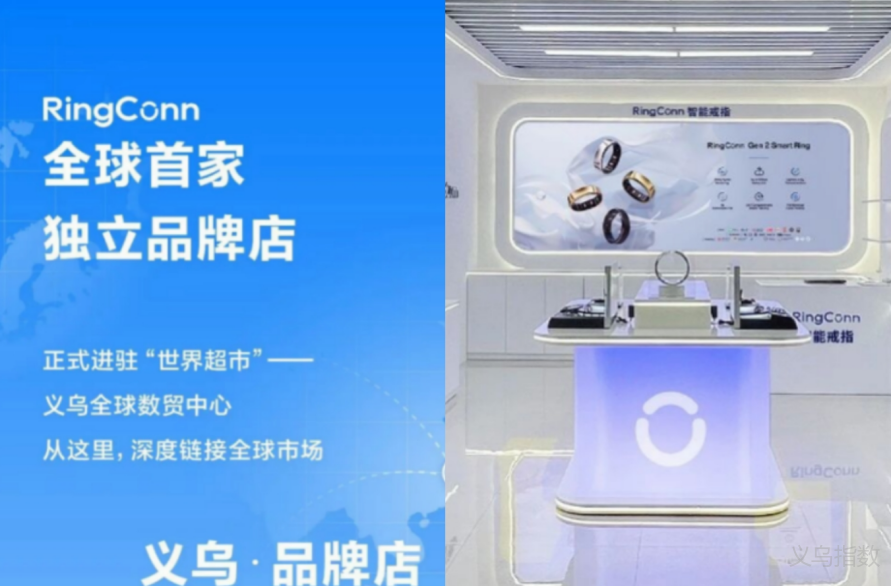
The smart ring store of the Global Digital Trade Center. Image source: Yiwu Index
Smart glasses: "What you see is what you take", "Voice control for taking photos", "Real-time subtitle translation"... Smart glasses are gradually bringing these scenes that once appeared in movies to reality. According to IDC data forecast, the total shipment volume of smart glasses in China is expected to reach 2.846 million units in 2025, with a year-on-year growth of 116.4%. It can be said that 2025 is the first year of smart glasses. While sales are increasing, application scenarios are also constantly expanding. For instance, the "rabbit Police Officer" by the West Lake in Hangzhou can identify and verify the license plates of passing vehicles in just two or three seconds with the help of AI glasses, guiding the "limited" vehicles that have not made reservations to be diverted, thus achieving efficient traffic guidance.
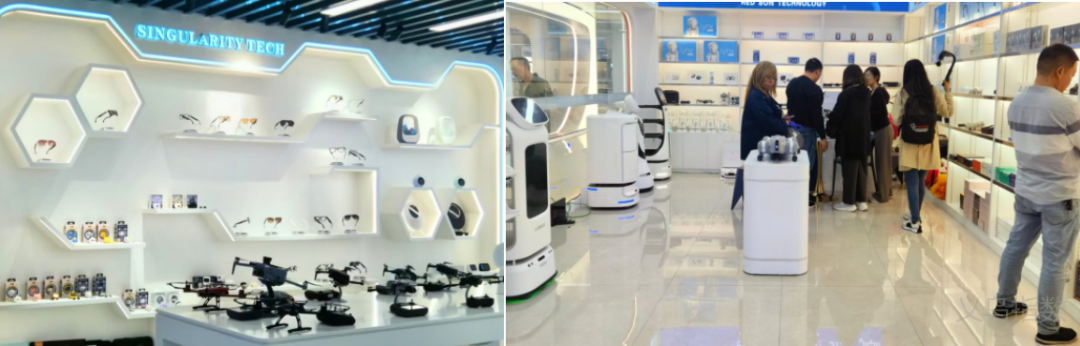
The smart glasses store at the Global Digital Trade Center. Image source: Yiwu Index
Exoskeleton robots: As a high-precision and advanced category in wearable technology, exoskeleton robots are gradually moving from medical rehabilitation to civilian assistance. They can be used to assist in scenarios such as mountain climbing, cross-country running, skiing, and outdoor exploration, helping outdoor sports enthusiasts enhance their physical fitness and reduce the risk of injury. Data shows that the market size of exoskeleton robots in China will reach 4.2 billion yuan in 2025, with an average annual compound growth rate of approximately 50% by 2028. With the continuous maturation of technology and the ever-growing market demand, an increasing number of enterprises are accelerating their layout in the consumer-grade exoskeleton robot market. For instance, the industry representative brand "Kenqing" officially entered the Yiwu Global Digital Trade Center in October this year, further promoting the popularization of its products in the civilian market.
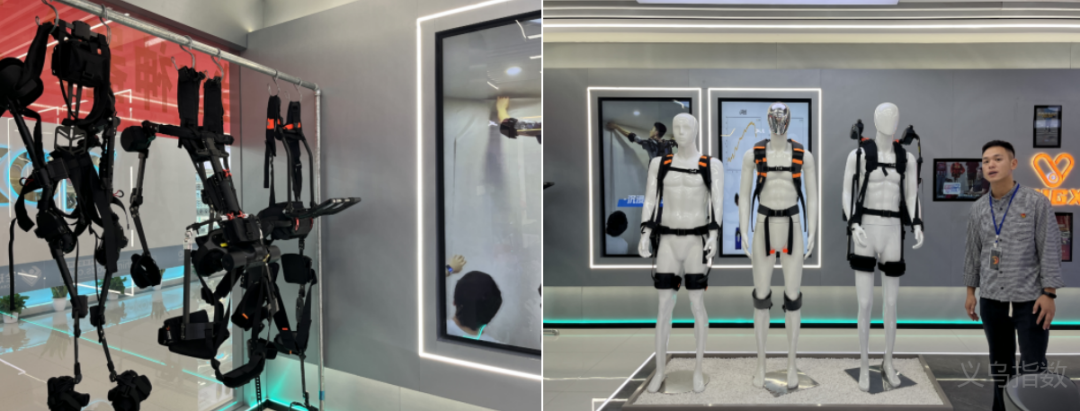
The exoskeleton robot store at the Global Digital Trade Center. Image source: Yiwu Index
(3) Global market: Dominated by Europe and the United States, emerging markets have great potential
The global smart wearable market is experiencing a period of rapid growth. The latest report released by IDC shows that the global shipment volume of wristbands, a representative category of smart wearable devices, reached 45.57 million units in the first quarter of 2025, representing a year-on-year growth of 10.5%.
The global market size of smart wearable devices from 2024 to 2030 (in billions of US dollars)
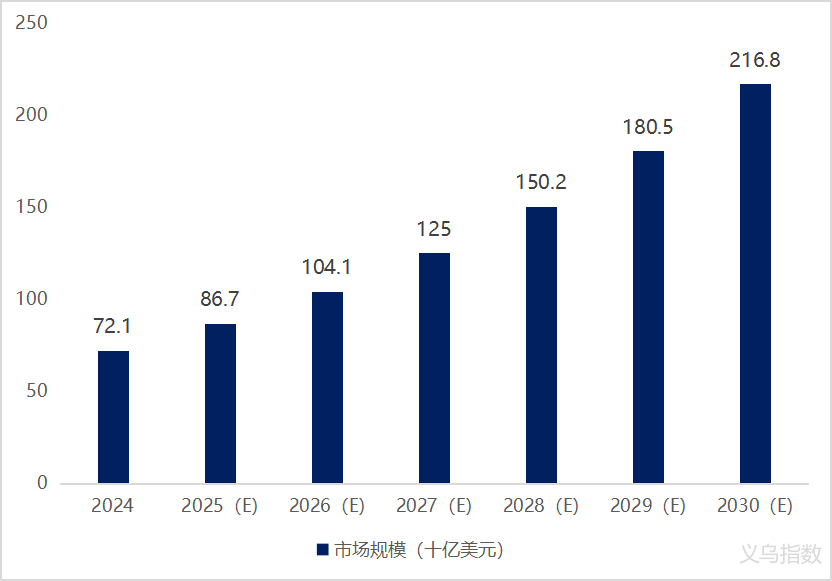
Data source: Precedent Research
www.ywindex.com
From the perspective of market performance in different regions, different characteristics are presented:
The market size of smart wearable products in Europe and America accounts for approximately 62% of the global total, with a market size of about 44.7 billion US dollars in 2024. The driving force for market growth stems from the combination of "fashion and fun" and "health and essential needs". On the one hand, devices, as trendy items that showcase taste and offer entertainment, have attracted young users. On the other hand, the aging population and the demand for chronic disease management make it a key tool for remote health monitoring and elderly care. Among the users of smart wearables in the United States, the proportion of those aged 55 and above has been continuously rising, from 15.9% in 2019 to 28.1% in 2025. The popularity of smart wearable devices among the elderly is constantly increasing.
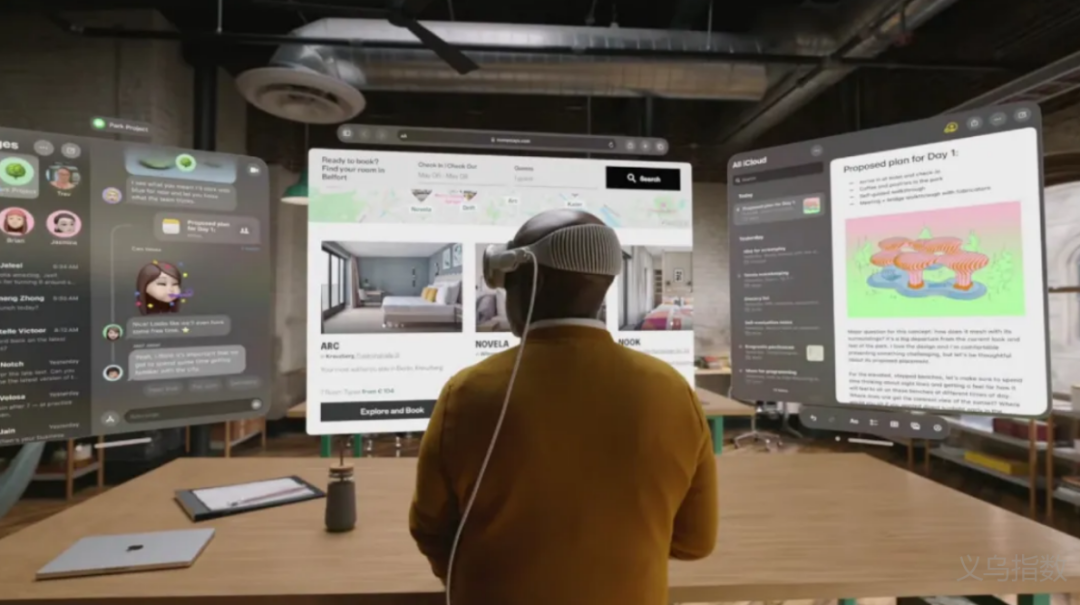
The image source of a certain brand's head-mounted display: Internet
Emerging markets represented by South America, the Middle East and Africa account for approximately 13% of the global market share, but they have considerable growth potential. In 2024, the market size of the Middle East and Africa region was approximately 2.35 billion US dollars, and it is expected to reach 4.7 billion US dollars by 2028, with a compound annual growth rate of 17.60%. The growth in these regions is mainly driven by rapid urbanization, increased disposable income and digital transformation. For instance, India and Southeast Asia have become the fastest-growing regions due to the demographic dividend and the rise of the middle class. However, consumers are clearly sensitive to prices and prefer smart device products that are affordable and feature-rich.
02
Where do smart wearables come from and where are they going?
(1) Thirty Years of Evolution: From a niche technology to a universal standard
Looking back on the development history of smart wearable devices, it can mainly be divided into the following stages:
The nascent stage: From the 1990s to 2010, the product forms were mainly electronic watches and pedometers, with single functions, only capable of timekeeping, alarm setting or simple step counting. Products at this stage are more inclined towards the attribute of "tech toys", and a mature consumer electronics category has not yet been formed. Both market recognition and penetration rate are not high.
Rapid development stage: Around 2010 to 2021, with the maturation of Bluetooth, low-power chips and micro-sensors, various brand bestsellers emerged, and functions expanded to heart rate, sleep and exercise monitoring, and began to form a data loop with mobile phone apps. Product sales have grown rapidly and consumer awareness has significantly improved.
High-quality development stage: From 2022 to the present, with the increasingly close integration of cloud computing, artificial intelligence and hardware, new technologies such as medical-grade certification, AI health early warning and flexible electronics have gradually been applied. The industry has gradually focused on high-value-added scenarios such as chronic disease management, sports rehabilitation and industrial safety, and has entered a new stage of high-quality development.
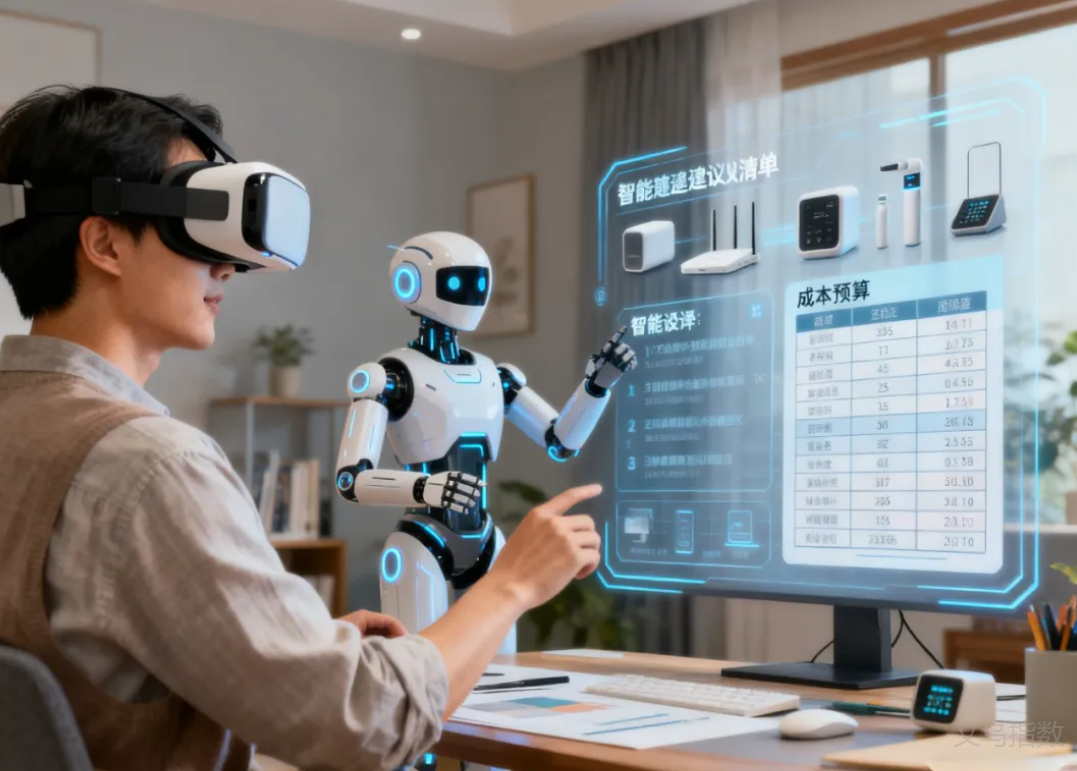
Image source: Internet
(2) Multi-field applications, empowering thousands of industries
Nowadays, smart wearable technology is reshaping every aspect of life. Its application has rapidly expanded from initial experiments to core fields such as health care, fitness and sports, and entertainment and fashion.
In the field of health, the application of smart wearable devices covers both physical and mental aspects. In terms of physical health, the device tracks parameters such as heart rate, blood pressure, and blood oxygen, which are used for disease screening and daily management. At the level of mental health, emotional states such as anxiety and stress are identified and warned through electrocardiogram signals and algorithms. For instance, the wearable flexible ultrasound patch developed by Eindhoven University of Technology in the Netherlands can continuously monitor internal organs such as the heart under natural living conditions (at home).

Eindhoven University of Technology in the Netherlands has developed a wearable flexible ultrasound patch. Image source: Internet
In the field of sports, equipment has evolved from simple step count statistics to professional devices for fatigue monitoring and sports injury prevention. The device provides wearable solutions that combine biomechanical protection and intelligent perception for high-intensity scenarios such as extreme sports and physical rehabilitation. For instance, electric heating wearable smart products can not only provide warmth to users in low-temperature environments, but also monitor athletes' vital signs, emotions, sweat and sports performance in real time. Thus, they can improve sports performance while better adjusting training plans and competition strategies, and offer intervention suggestions to coaches.

Image source: Internet
In the field of fashion and entertainment, smart wearables are integrated with VR and AR technologies to create immersive experiences. The device can be linked with music players, game controllers, etc., to achieve voice song switching, volume adjustment or immersive gaming. For instance, the concept product of AR contact lenses aims to directly project navigation, messages, motion data and other images onto the retina, making information acquisition no longer dependent on the screen and truly achieving "everything you see when you look up is information".
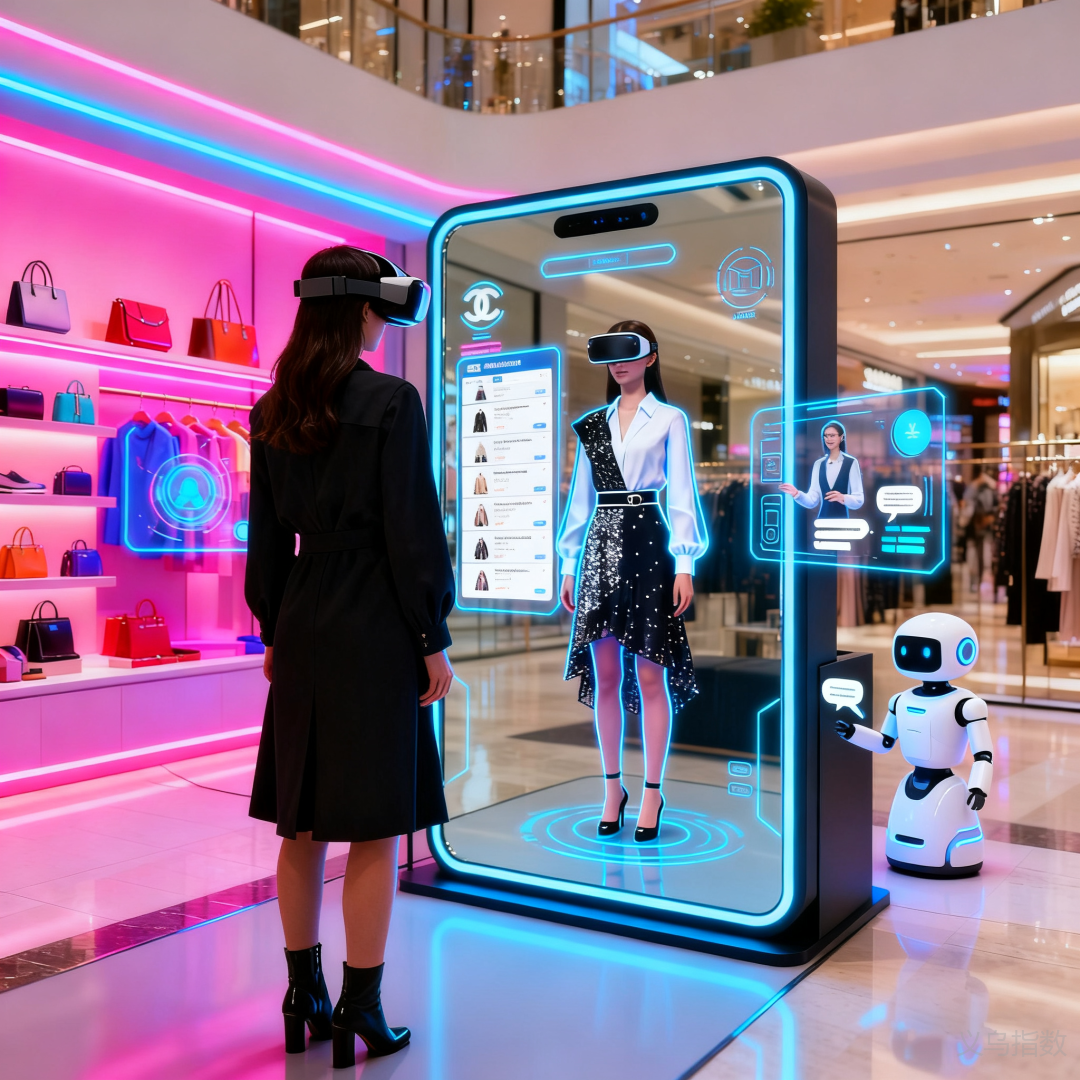
Image source: Internet
Not only that, the application boundaries of smart wearable devices are still constantly expanding and are gradually penetrating into diversified scenarios such as smart home, emergency rescue, education and even military.
Behind this development lies the dual drive of technological innovation and consumption upgrade: technological advancements represented by the Internet of Things, AI, and sensors are constantly expanding the functional boundaries of devices. The consumption upgrade centered on the rise of health awareness, professionalization of sports, and the silver economy has created broad application scenarios and willingness to pay for these new functions. Both supply and demand sides are working together to transform smart wearable devices from niche products into a market worth hundreds of billions of yuan that empowers thousands of industries.
(3) Future development trends: Smarter, more integrated, and more personalized
In the future, with continuous breakthroughs in AI, sensor and battery technologies, smart wearable devices will develop in a direction that is more intelligent, more integrated and more tailored to individual needs.
The functions are more integrated. Future smart wearable products will be like a highly integrated micro-intelligent center, integrating an increasing number of types of sensors and functional modules to achieve all-round and multi-level monitoring and analysis of human physiological parameters, movement states, and environmental information.
More personalized service. Relying on AI algorithms, the device will have stronger autonomous learning and analysis capabilities, accurately identify user behavior patterns and health conditions, and adaptively adjust functional Settings based on individual habits, needs and preferences. The interaction experience will also be more natural and smooth - through multi-modal interactions such as voice and gestures, devices can more accurately understand user intentions, achieving seamless human-computer interaction and even efficient parsing of remote signals.
The design is more user-friendly To meet the needs of an aging population, the device will adopt materials that are more flexible, breathable and have better biocompatibility. It will also conduct in-depth research on human structure and movement characteristics in combination with ergonomics. By optimizing the product structure and wearing method, it will not only reduce cognitive burden but also provide natural and long-lasting life assistance for the elderly.
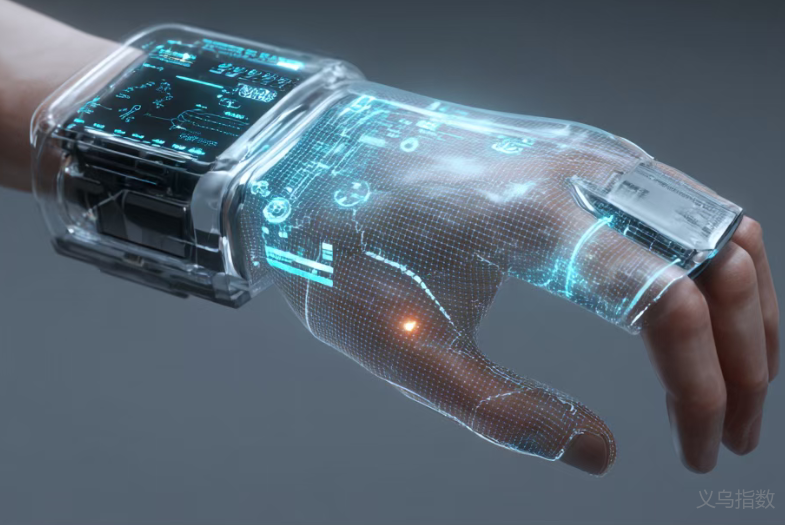
Image source: Internet
03
Yiwu is building an aggregated exhibition and trade platform to link up the upstream and downstream industries
At present, cutting-edge technological products are accelerating their transformation towards civilianization and popularization. Represented by wearable devices, drones, VR devices and the like, these once high-cost and niche technological products are gradually entering thousands of households and integrating into daily life.
Under this trend, China has developed into a major global producer and supplier of wearable devices. The domestic smart wearable industry has formed several competitive industrial clusters in the Yangtze River Delta, Pearl River Delta and other regions. However, the overall layout is still relatively scattered, and there is a lack of efficient interaction among R&D innovation, production and manufacturing, and international trade. Moreover, a centralized exhibition and trade platform for cutting-edge technology products such as smart wearables and VR devices has not yet been formed in China.
Yiwu, as an important hub for global small commodity trade, has a natural advantage in hosting the exhibition, trade and export of such cutting-edge technological products. On the one hand, the Yiwu market is in a continuous process of upgrading its product structure, with goods evolving towards high-end and intelligent directions. On the other hand, Yiwu has accumulated a wide range of business resources covering the world, especially from developing countries. The rapid economic development in these regions has driven the continuous growth of procurement demands. The procurement scope has gradually expanded from small commodities to the field of intelligent technology, providing favorable conditions for Yiwu to promote the export of high-tech products.
The Global Digital Trade Center, which opened in October this year, has concentrated nearly half of its third floor area on showcasing technological products such as smart wearables, drones, VR devices, and robots, thus building an integrated exhibition and trade platform. Among them, the business scope of many stores covers a wide range of cutting-edge technological products such as smartwatches, AI glasses, smart rings, and exoskeleton robots. In the future, Yiwu will rely on this platform to further connect the national industrial belts with global merchants and build an exhibition and sales hub for smart wearable devices.
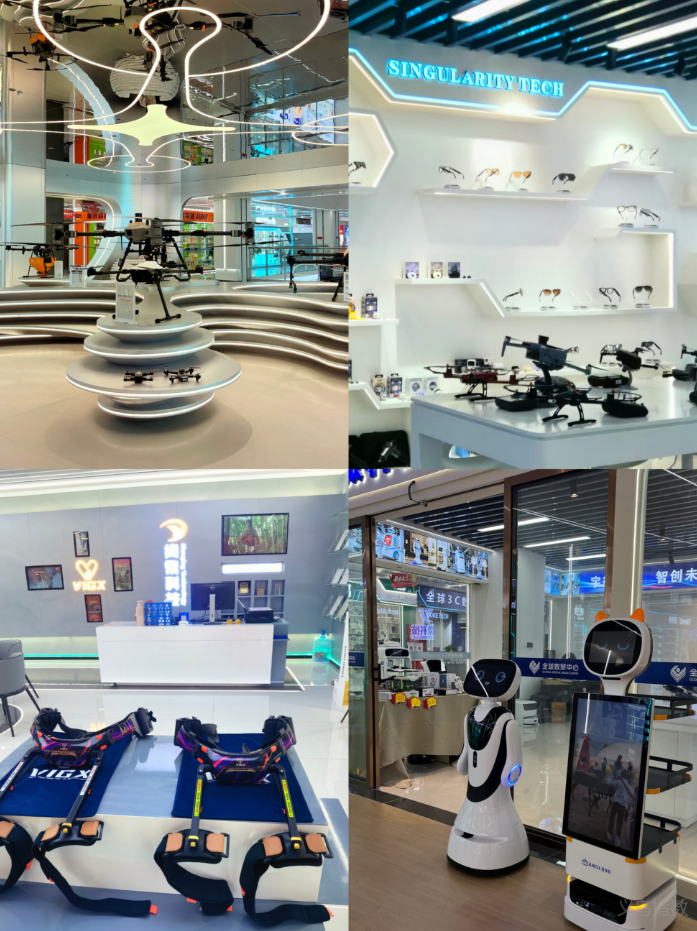
The technology stores of the Global Digital Trade Center. Image source: Yiwu Index
Conclusion
Backed by the complete industrial chain foundation of China's smart wearable device industry and riding on the national momentum of developing new quality productive forces and strengthening the core position of scientific and technological innovation, Yiwu will act in accordance with the trend and rely on its powerful global trade network to provide broader overseas channels and sales platforms for China's "intelligent" manufacturing.
—— The content of this article is translated by Al ——
 My favorites